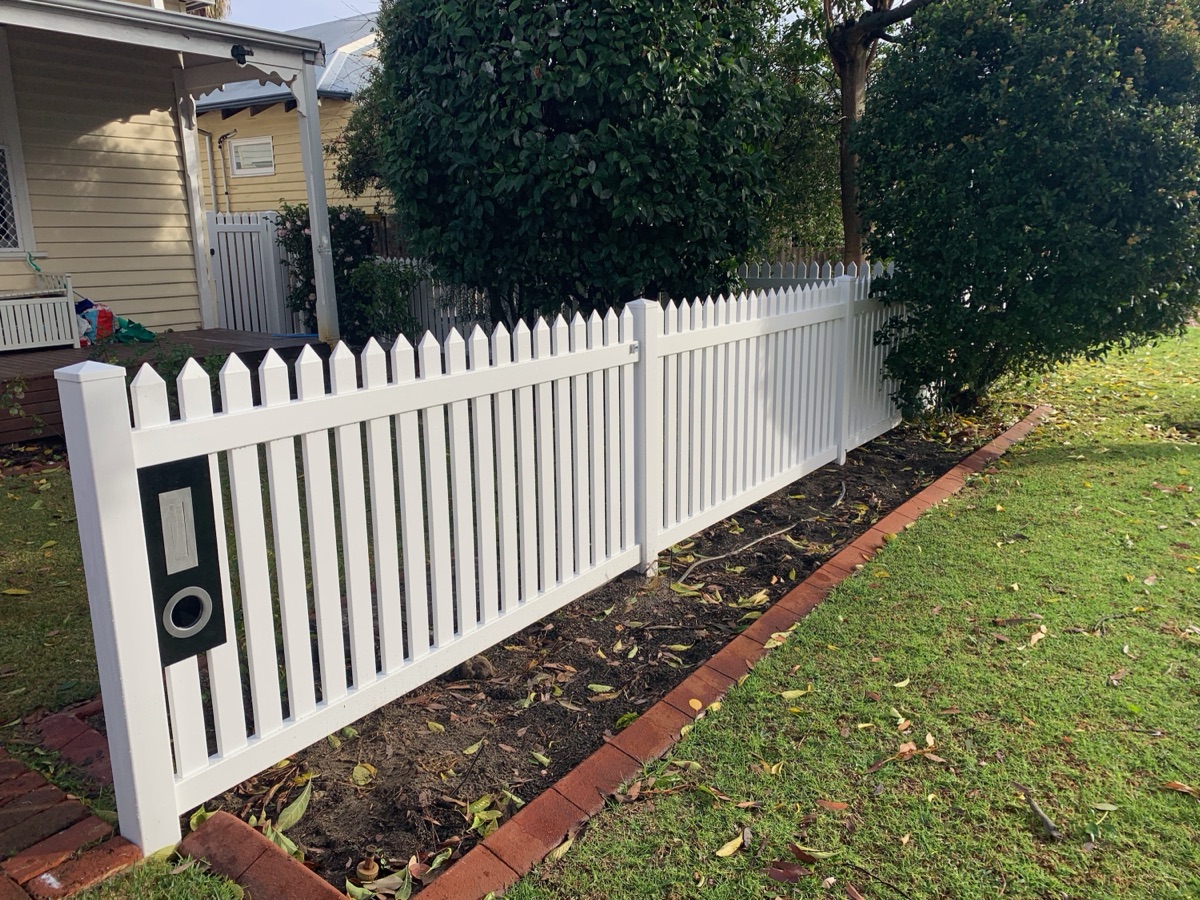
Mosman Park is a smaller council area, but it has its own fencing local law, 91 heritage-listed properties, and the kind of coastal exposure that affects what materials hold up long term. If you are quoting a fencing job in Mosman Park or planning a new fence at your property, this guide covers the rules you need to know for the Town of Mosman Park.
We've pulled this from the Town's Local Laws Relating to Fencing (2004), the WA Residential Design Codes (R-Codes), and the Town's heritage framework. It was current as at March 2026, but council rules do get updated – always confirm with the Town's planning team before you start work.
Quick reference: In standard residential areas, your front fence can be solid up to 1.2 metres. Above that, it needs to be visually permeable (gaps that allow a line of sight through the fence) up to a maximum of 1.8 metres. Side and rear fences can go up to 1.8 metres without any planning approval.
Note: The Town of Mosman Park's fencing local law is currently under review as part of a broader 2026 local laws review. Community consultation closed in March 2026, and a council decision is expected at the May 2026 Ordinary Council Meeting. The rules below reflect the current local law as it stands. We'll update this guide if anything changes.
Front Fence Rules – The Basics
The Town of Mosman Park doesn't have its own standalone front fence policy. Instead, front fence rules follow the WA Residential Design Codes (R-Codes), which apply across the council area.
Solid fencing can go up to 1.2 metres above natural ground level (that's the existing ground before any landscaping or retaining work). Above that, the fence has to be visually permeable – meaning it needs gaps that allow a clear line of sight through the fence.
Total height for a front fence is 1.8 metres, including the permeable section. Piers can be solid up to 1.8 metres, as long as they don't exceed 400mm x 400mm in size.
What "visually permeable" actually means
This gets quoted wrong a lot, so here's the actual definition from the R-Codes:
- If your gaps are 50mm or wider, at least one-third of the total fence surface needs to be open space.
- If your gaps are narrower than 50mm, at least half the total fence surface needs to be open.
In practical terms, a standard picket fence with evenly spaced pickets and gaps will comfortably meet these requirements. If you're using a slatted or louvre-style design with narrower gaps, you'll need to check that the 50% open rule is met.
For contractors: measure the gaps and calculate the total surface area ratio before you quote. Getting this wrong means a rejected application or a fence that has to come down.
Driveway sightlines
A 1.5m x 1.5m truncation (a cut-back area at the corner) is required where your fence meets a driveway adjoining a street. Within that truncation area, the fence can't be higher than 750mm. You can have one pier within the truncation area (up to 400mm x 400mm and 1.8 metres tall), but the fence itself needs to allow a clear line of sight for drivers.
Corner lots
Where a standard street corner truncation hasn't been provided, a front fence above 750mm isn't permitted within 1.5 metres of the street corner of the property boundary. On the secondary street side, the same visual permeability requirements apply as on the primary street – solid up to 1.2 metres, permeable above that, up to 1.8 metres total.
Just replacing a side or rear fence? Most backyard fence jobs in Mosman Park are straightforward – up to 1.8 metres, no planning approval needed. The section below covers it. The front fence and heritage rules further down only apply if your fence faces a street or is on a heritage-listed property.
Side and Rear Fences
Away from the front of the property, the rules are more straightforward:
- Maximum height: 1.8 metres above natural ground level (this is the "sufficient fence" standard set out in the Town's fencing local law).
- No planning approval needed for standard boundary fences behind the street setback area (the area between your front boundary and the main building line).
- PVC, timber, Colorbond, and other approved materials up to 1.8 metres generally don't need a building permit either.
- Masonry fences (brick, block, stone) need a building permit once they go above 750mm.
If the fence sits on top of a retaining wall, the fence height is measured from the higher side of the ground level. Where associated retaining exceeds 500mm, a building permit is required, and the retaining wall will likely need to be designed by a structural engineer.
Stone or concrete fences above 1.8 metres require structural engineer design. The Building Surveyor can also require engineer sign-off on stone or concrete fences at any height if the circumstances call for it.
Heritage Properties
Mosman Park handles heritage differently from councils like Fremantle. There are no broad "heritage areas" or conservation zones here. Instead, heritage protection is applied property by property through the Town's Heritage List. That means you need to check whether your specific property is on the list – you can't just go by what suburb you're in.
As of 2024, there are 91 heritage-listed places in the Town of Mosman Park, including seven on the State Register of Heritage Places.
Heritage categories and what they mean for fencing
The Town adopted a new heritage framework in August 2024. Heritage places are assigned a category from 1 to 5:
- Category 1 and 2 properties are on the Heritage List, which gives them statutory protection. Any modifications – including fencing changes visible from the street – require planning approval and a Heritage Impact Assessment prepared by a qualified heritage professional.
- Category 3 properties aren't on the Heritage List, but they're subject to the Town's heritage management policy when development is proposed. If you're changing the front fence on a Category 3 property, it's worth checking with the Town's planning team.
- Categories 4 and 5 have lower significance and aren't on the Heritage List. Standard rules apply.
The Town's heritage management policy doesn't contain fence-specific rules like some councils have. Instead, any fencing work visible from the street on a heritage property will be assessed for whether it's compatible with the heritage character of the place. In practice, that usually means traditional styles – picket, post and rail – are looked on favourably.
State Register properties
Seven places in Mosman Park are on the State Register of Heritage Places, including the Leighton Battery, Memorial Hall, and the St Luke's Anglican Church precinct. State-registered properties have the highest level of protection, and any works – including fencing – will need approval through both the Town and the Heritage Council of WA.
Minim Cove Estate
The Minim Cove Estate has its own design guidelines, which may include specific fencing provisions. If your property is in Minim Cove, check the Town's Local Planning Policy 03 for any additional requirements before you start.
Pool Fencing
Pool barriers in Mosman Park follow the statewide rules under the Building Act 2011 and Australian Standard AS 1926.1:
- Pools installed after 1 May 2016 – the barrier on the pool side must be 1800mm with a 900mm no-climb zone. The non-pool side barrier must be at least 1200mm with no steps or retaining walls within 500mm.
- Pools installed after 2001 require an isolation fence – the pool must be fenced separately from the house, with no door leading directly into the pool area.
- Pre-2001 pools must restrict access from the house, adjoining properties, and roads.
- Gate: self-closing, self-latching, latch at least 1.5 metres above ground.
- A "pool" includes any structure with water deeper than 300mm – including portable and blow-up pools.
As of June 2024, most pool fences no longer require building permits, except when they act as fall protection barriers (1m+ drop), use masonry above 750mm, exceed 1.8 metres in other materials, or are in Wind Regions C or D.
The Town conducts four-yearly inspections of pool barriers. You can also request a compliance inspection before selling or purchasing a property by contacting Building Services on (08) 9383 6600.
Penalties for non-compliance: $1,000 infringement notice, or up to $5,000 plus costs at court.
When Do You Need Planning Approval?
You don't need a development application (DA) for:
- Side and rear boundary fences up to 1.8 metres behind the street setback area
- Standard front fences that meet the R-Codes requirements (solid up to 1.2 metres, permeable above that, 1.8 metres total)
You do need a DA for:
- Front fences that don't meet the R-Codes requirements (e.g. solid above 1.2 metres, higher than 1.8 metres, or not visually permeable)
- Fences on Category 1 or 2 Heritage List properties (a Heritage Impact Assessment is also required)
- Any fence requiring a variation from the R-Codes or the fencing local law
You need a building permit for:
- Fences above 1.8 metres
- Masonry fences above 750mm
- Associated retaining above 500mm
DA fees: The Town charges fees in accordance with the Planning and Development Regulations 2009. They have a fee calculator on their website to work out the cost for your specific application.
Processing times: Up to 60 days for non-advertised applications, or 90 days if neighbour notification is required. Building permits take 10 to 25 business days depending on the certification status.
Materials
The Town's fencing local law (dating from 2004) lists the following approved materials for residential fences: brick, stone, concrete, wrought iron, timber, corrugated fibre reinforced cement sheeting (not permitted forward of the front setback), and Colorbond. The law also allows "a material approved by the Building Surveyor."
PVC fencing is not explicitly listed in the 2004 local law, which predates the widespread use of PVC fencing in WA. In practice, PVC fencing falls under the "approved by the Building Surveyor" category and is widely accepted across Perth councils. It's worth confirming approval with the Town's Building Surveyor before you start, particularly for front fences. Probuild's PVC fencing is manufactured to Australian standards and has been installed throughout the Perth metropolitan area, including in western suburbs councils.
Because PVC fencing up to 1.8 metres doesn't require a building permit in Mosman Park (it's not masonry), contractors can get started sooner than they could with brick or block, which needs a permit at just 750mm.
The Coastal Angle
Mosman Park has frontage to both the Indian Ocean and the Swan River. Every property in the suburb is within a short distance of salt water, and the prevailing sea breeze pushes salt air across the entire council area on a daily basis.
That matters for fencing because salt air attacks metal. Colorbond will eventually show rust spots wherever the coating is scratched or damaged – near the coast, that can happen within a few years. Wrought iron needs regular painting to stay protected. Timber in salt air dries out, splits, and needs ongoing treatment.
PVC handles coastal conditions well. It doesn't rust, it doesn't corrode, and there's no coating to scratch through. For a suburb like Mosman Park where the ocean is close on one side and the river on the other, PVC is a practical choice that won't need replacing or recoating down the track.
What This Means for PVC Fencing in Mosman Park
Here's a quick summary of how the rules above translate to actual product choices for Mosman Park properties:
Front fences (standard properties):
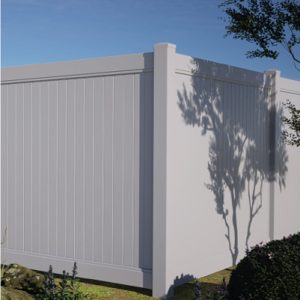
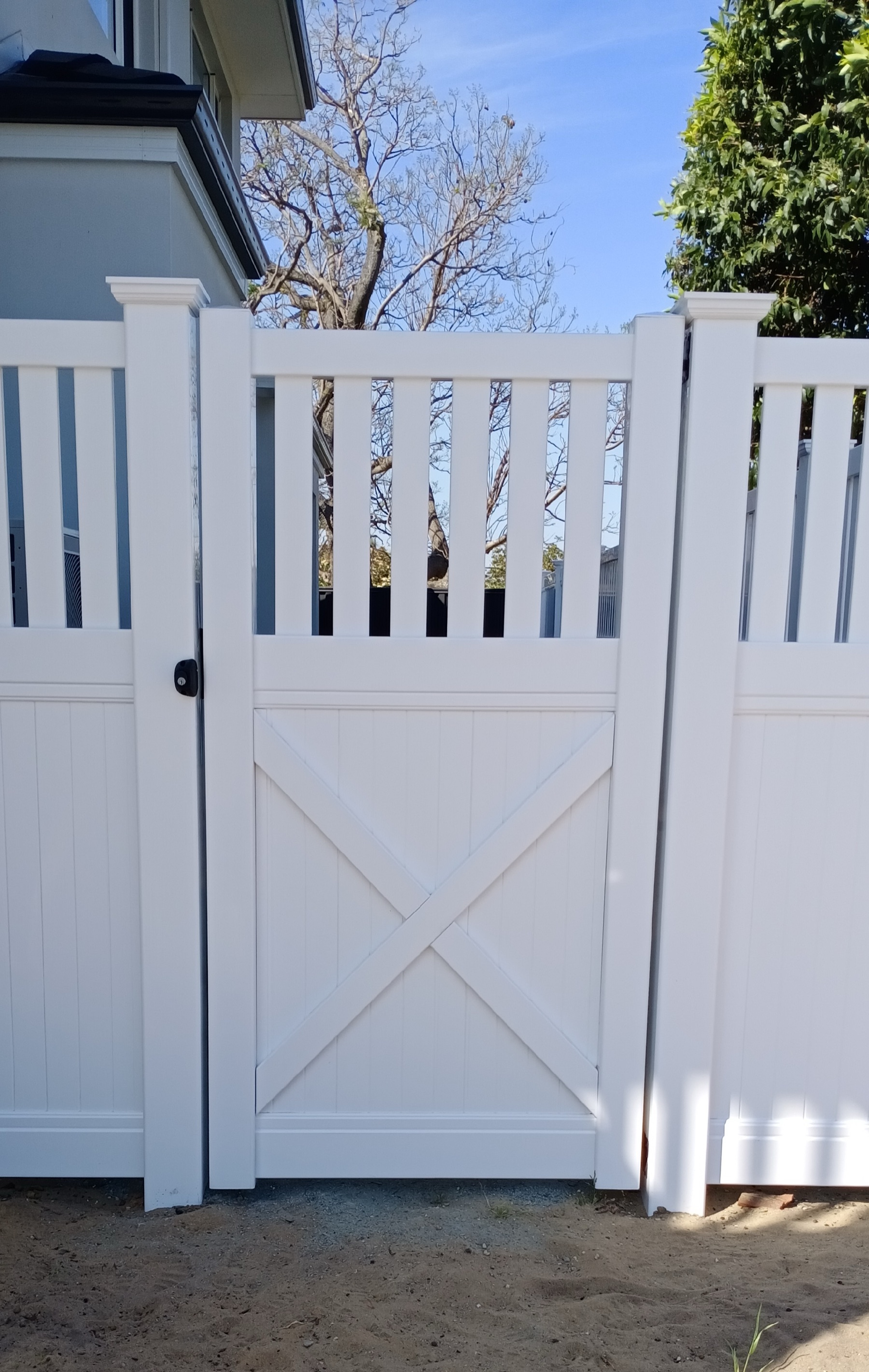
PVC privacy fencing works up to 1.2 metres. Above that, PVC picket or semi-privacy fencing meets the visual permeability requirements and can take the fence to the full 1.8 metres. The combination of a solid base with picket above is a clean look that complies with the R-Codes.
Front fences (heritage properties):
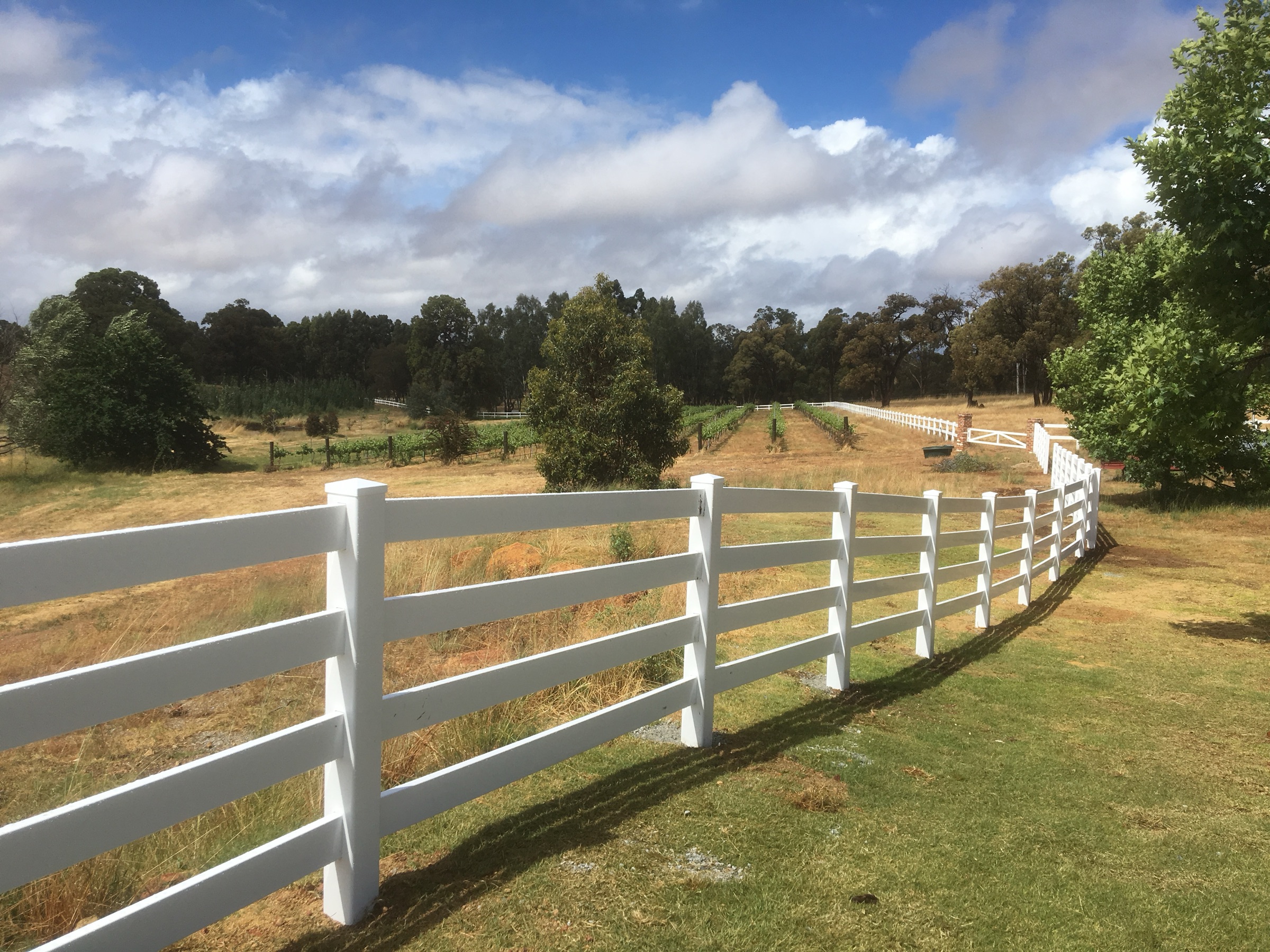
If your property is on the Heritage List (Category 1 or 2), your front fence will need planning approval and a Heritage Impact Assessment. Traditional styles tend to be looked on favourably – Federation, Colonial, and Hampton picket designs suit the character of Mosman Park's older homes. PVC picket fencing gives you the heritage-appropriate look without the maintenance that comes with timber in a coastal environment.
Side and rear fences:
PVC privacy fencing up to 1.8 metres – no planning approval needed, no building permit needed. This is where most residential PVC fencing goes in Mosman Park.
Pool surrounds:
PVC is a practical choice for pool barriers. It meets the minimum height requirements and handles pool chemicals (chlorine, salt) without corroding or staining the way metal fencing can.
Minim Cove:
If your property is in the Minim Cove Estate, check the estate's design guidelines (LPP03) for any specific fencing requirements before you choose a style.
For Probuild trade partners: If you're quoting a job in Mosman Park and need to check product specifications against permeability requirements, give us a call. We can confirm which profiles meet the gap and surface area ratios for front fence applications.
Before You Quote – Checklist for Contractors
- Check if the property is heritage-listed. Mosman Park's heritage protection is property-by-property, not by area. Check the Town's heritage page or call the planning team.
- Check heritage category. Category 1 and 2 properties need planning approval and a Heritage Impact Assessment for front fence work. Category 3 properties are worth checking with the Town.
- Confirm PVC approval with the Building Surveyor. PVC isn't explicitly listed in the 2004 local law but falls under "material approved by the Building Surveyor." A quick phone call to the Town can confirm this before you start.
- Measure for permeability. Know the gap widths and surface area ratios before you specify a product for front fences.
- Check for Minim Cove. Properties in the Minim Cove Estate may have additional fencing requirements under LPP03.
- Factor in approvals. If a DA or building permit is needed, add the fees and processing time to the job. Let the customer know upfront.
- Check for retaining walls. Retaining over 500mm needs a building permit. Masonry over 750mm needs a building permit.
- Confirm with the council. If there's any doubt, call the Town on (08) 9383 6600 (Monday to Friday, 8:30am to 4:30pm). You can also book a 15-minute appointment with the planning team.
Before You Start – Checklist for Homeowners
- Work out if your property is heritage-listed by checking the Town's heritage page or calling the planning team on (08) 9383 6600.
- Know your front fence limits – 1.2 metres solid, with the section above that needing to be visually permeable, up to 1.8 metres total.
- If you need a DA, the Town has a fee calculator on their website and you can book a 15-minute planning appointment to talk through the requirements.
- For side and rear fences, you can generally go up to 1.8 metres without any approval (non-masonry materials).
- If you're in Minim Cove, check the estate design guidelines for any specific fencing rules before you order materials.
- Talk to your neighbours before you start, especially for boundary fences. Under the Dividing Fences Act, you generally share the cost equally for a "sufficient fence" – which in Mosman Park is typically a 1.8 metre non-masonry fence. Your neighbour has 21 days to respond to a written fencing proposal.
- If you want an installer who knows the product, we can connect you with an experienced local contractor who works with PVC fencing regularly. Give us a call or organise an installer through the website.
Need a hand? If you're planning a fence in Mosman Park and want to talk through your options, give us a call. We can help you work out what style and height suits your property, and if you need an installer, we'll connect you with someone who knows the product inside out.
Contact the Town of Mosman Park
| General enquiries | (08) 9383 6600 |
| admin@mosmanpark.wa.gov.au | |
| Planning appointments | 15-minute phone or in-person appointments available via (08) 9383 6600 |
| Office hours | Monday – Friday, 8:30am – 4:30pm |
| Website | www.mosmanpark.wa.gov.au |
| Address | Memorial Park Administration Centre, Corner Bay View Terrace and Memorial Drive, Mosman Park WA 6012 |
This guide is based on the Town of Mosman Park's Local Laws Relating to Fencing (2004), the WA Residential Design Codes, and the Town's heritage framework as at March 2026. The fencing local law is currently under review – a council decision is expected at the May 2026 Ordinary Council Meeting. Council rules can change, so always confirm with the Town's planning team before you start work. Probuild PVC Fencing is not a planning authority and this is general guidance only.