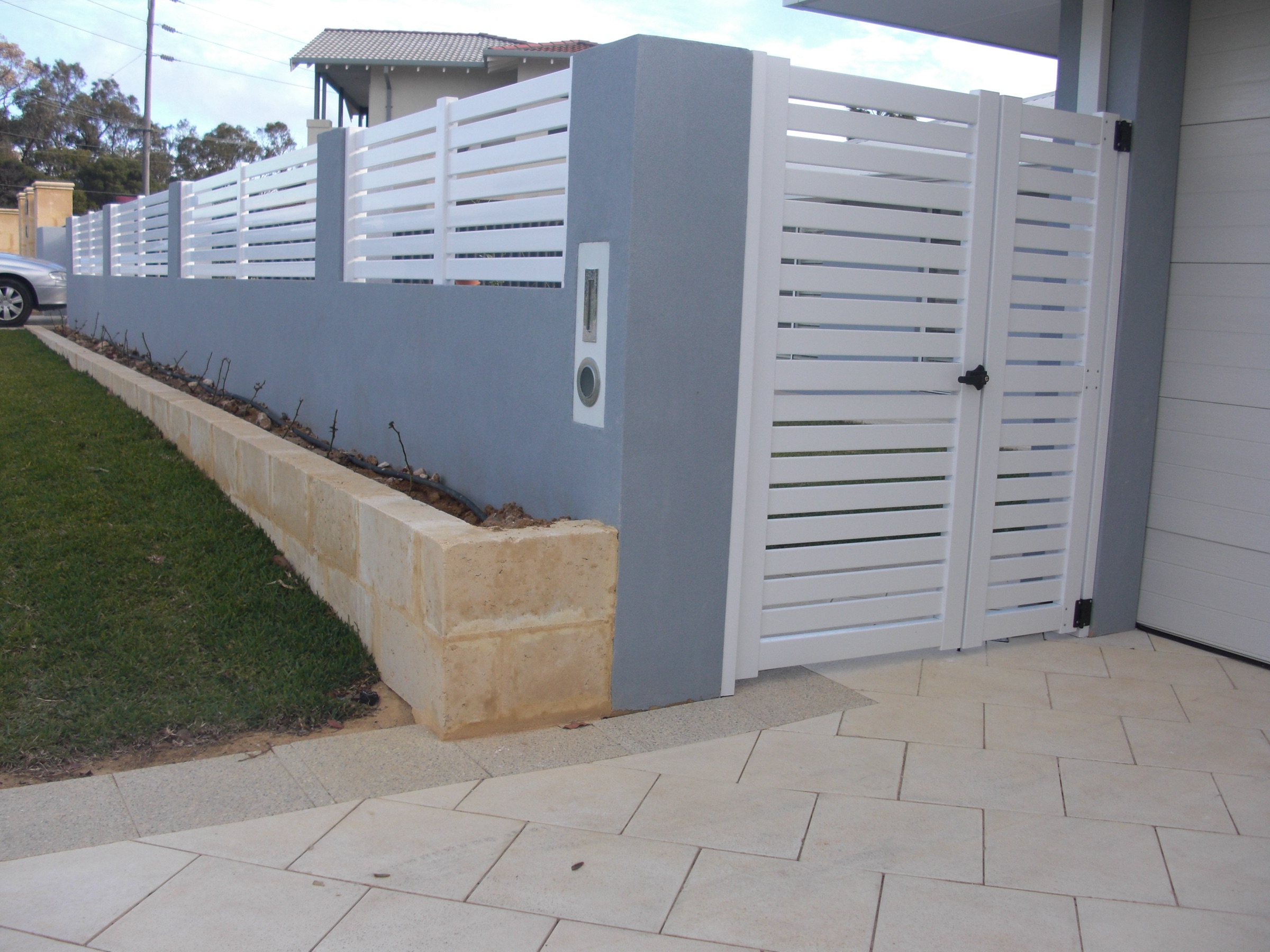
Fremantle is one of the more complex councils to quote in. Between the heritage overlays, Hilton's specific rules, and the West End requiring approval for everything, there's a lot to get right before you start a fencing job here. Fremantle has some specific rules around fencing that catch people out, especially in the heritage areas. This guide covers the rules for every part of the City of Fremantle – Fremantle itself, South Fremantle, North Fremantle, South Beach, and Port Beach.
We've pulled this from the City's Local Planning Policy 2.8 (Fences), the R-Codes, and Fremantle's heritage policies. It was current as at March 2026, but council rules do get updated – always confirm with the City's planning team before you start work.
Quick reference: In standard residential areas, your front fence can be solid up to 1.2 metres. Above that, it needs to be visually permeable (pickets, gaps, or spacing) up to a maximum of 1.8 metres. Heritage areas are stricter — read on for the details.
Front Fence Rules – The Basics
These apply across the City of Fremantle on standard residential lots (outside heritage areas).
Solid fencing can go up to 1.2 metres above natural ground level (that's the existing ground before any landscaping or retaining work). Above that, the fence has to be visually permeable – meaning it needs gaps that allow a clear line of sight through the fence.
Total height for a front fence is 1.8 metres, including the permeable section. Piers can go up to 2.0 metres.
What "visually permeable" actually means
This gets quoted wrong a lot, so here's the actual definition from the R-Codes:
- If your gaps are 50mm or wider, at least one-third of the total fence surface needs to be open space.
- If your gaps are narrower than 50mm, at least half the total fence surface needs to be open.
In practical terms, a standard picket fence with evenly spaced pickets and gaps will comfortably meet these requirements. If you're using a slatted or louvre-style design with narrower gaps, you'll need to check that the 50% open rule is met.
For contractors: measure the gaps and calculate the total surface area ratio before you quote. Getting this wrong means a rejected DA or a fence that has to come down.
Driveway sightlines
Within 1.5 metres of where your driveway meets the street, the fence can't be higher than 750mm. This applies on both sides of the driveway opening. It's a safety requirement and councils enforce it.
Corner lots
On the secondary street side (the side street), you can go solid up to 1.8 metres once you're past the front building line. Within the front setback area, the standard front fence rules apply. At the corner where the two streets meet, the fence needs to be cut back at an angle so drivers can see oncoming traffic — the City will specify the exact requirements if you apply for a DA.
Just replacing a side or rear fence? Most backyard fence jobs in Fremantle are straightforward — up to 1.8 metres, no approval needed. The section below covers it. The front fence and heritage rules further down only apply if your fence faces a street.
Side and Rear Fences
Away from the front of the property, the rules are more straightforward:
- Maximum height: 1.8 metres above natural ground level.
- No development approval needed for standard boundary fences (non-masonry, up to 1.8 metres).
- PVC, timber, Colorbond, and fibre cement fences up to 1.8 metres generally don't need a building permit either.
- Masonry fences (brick, block, stone) need a building permit once they go above 750mm.
If the fence sits on top of a retaining wall, the combined height is measured from the lower ground level. The fence itself (not counting the retaining wall) can be up to 1.8 metres measured from the higher side of the ground. Retaining walls above 500mm need a building permit and have to be designed by a structural engineer.
Heritage Areas – And There Are a Lot of Them
This is where Fremantle gets complicated. The City has approximately 2,500 heritage-listed places across 23 designated heritage areas, including Central Fremantle, North Fremantle, South Fremantle, Beaconsfield, White Gum Valley, Samson, O'Connor, and others. If you're not sure whether your property is in a heritage area, check the City's interactive heritage map.
If a property is on the Local Heritage List or within a heritage area, the front fence rules are stricter:
- Solid fencing can only go up to 1.0 metre (compared to 1.2 metres in standard areas).
- Everything above 1.0 metre has to be visually permeable.
- Maximum height stays at 1.8 metres, with piers up to 2.0 metres.
- The fence has to be compatible with the heritage character of the area – the City's heritage team will assess this.
- Development approval is required for front fences on heritage-listed properties so the City can review the heritage impact.
The good news for side and rear fences: on heritage properties, a standard boundary fence up to 1.8 metres that's freestanding and not in the street setback area is generally considered permitted development – no DA needed. The exception is properties on the State Heritage Register (including the West End), where everything needs approval.
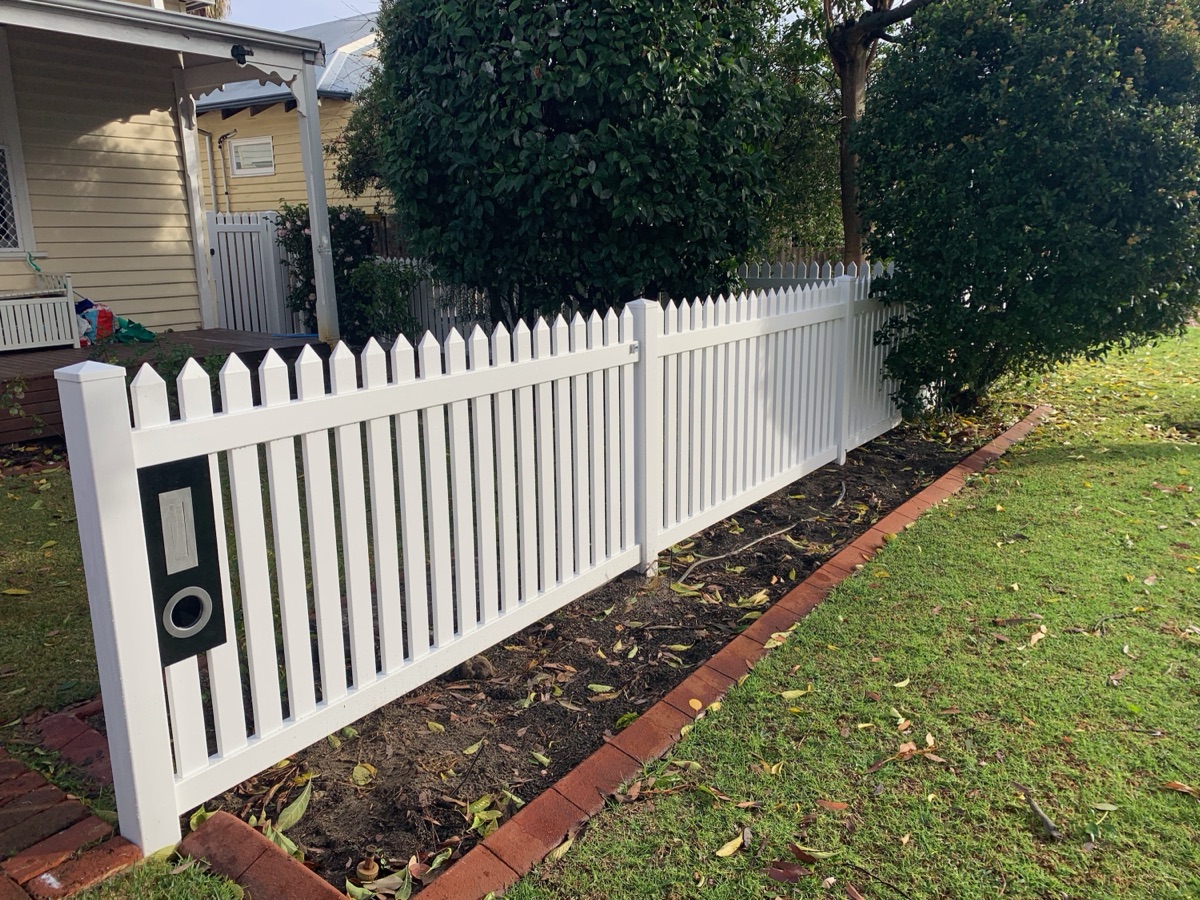
Hilton Heritage Area – Its Own Set of Rules
Hilton is the one that catches people out. The suburb has a "garden suburb" character – open streetscapes, green and leafy – and the City protects that through stricter fencing rules under Local Planning Policy 3.7.
In most of Hilton, your front fence can only be 1.2 metres tall in total — that includes everything, solid base and permeable section combined. The solid base can't be more than 300mm, and everything above that 300mm has to be at least 30% visually permeable. No solid panels above 300mm will be approved.
If you apply for council discretion, they may allow up to 1.5 metres total, but the permeability requirement increases to 50% and the solid base still can't exceed 300mm.
| Standard Hilton | With council discretion | |
|---|---|---|
| Max total fence height | 1.2m | 1.5m |
| Max solid base | 300mm | 300mm |
| Permeability above 300mm | At least 30% open | At least 50% open |
| Solid panels above 300mm | Will not be approved | Will not be approved |
| Planning approval needed | Yes — every front fence | Yes — every front fence |
Every front fence in Hilton needs planning approval, even if it complies with the policy. There are no exemptions. For contractors, factor in the DA cost ($147) and processing time when you're quoting.
Exception: Hilton's Major Roads
Properties on Winterfold Road, Carrington Street, and South Street (between Stock Road and Lee Avenue) get a more generous allowance because of traffic and noise. On these streets, the rules follow the standard R-Codes: solid up to 1.2 metres, visually permeable above that, up to 1.8 metres total with piers to 2.0 metres. That's a significant difference from the 1.2 metre cap that applies to the rest of Hilton.
The West End – State Heritage Listed
The West End is one of the most intact heritage precincts in Western Australia and has been on the State Heritage Register since 2017. There are no exemptions here – all fences require planning approval, no matter what. Fences have to be compatible with the heritage character of the precinct, and the City's heritage team will assess every application.
Fences Next to Parks and Reserves
If your property backs onto public open space (a park, reserve, or similar), the fence on that boundary has to be visually permeable above 1.2 metres, to a maximum of 1.8 metres, with piers no higher than 2.0 metres. The intent is to keep visual connection between private properties and public space.
Pool Fencing
Pool barriers in Fremantle follow the statewide rules under the Building Act 2011 and Australian Standard AS 1926.1:
- Minimum barrier height: 1.2 metres
- Non-climbable zone: no climbable objects (garden beds, furniture, pot plants, trees) within 900mm of the outside of the barrier
- Gate: self-closing, self-latching, latch at least 1.5 metres above ground
- A building permit is always required before installing a pool or spa
- The City inspects pool barriers at least once every four years
- Inspection fee: $300
- A "pool" includes any structure with water deeper than 300mm – including portable and blow-up pools
On heritage properties, a pool fence up to 1.8 metres that's freestanding and not in the street setback is permitted development (no DA needed) – unless the property is on the State Heritage Register.
When Do You Need Planning Approval?
You don't need a DA for:
- Side and rear boundary fences up to 1.8 metres (non-masonry, freestanding, not in the street setback)
- Secondary street fences up to 1.8 metres outside the primary street setback
- Side and rear fences on heritage properties (same conditions as above, unless State Heritage Register)
You do need a DA for:
- Front fences that exceed the standard height or permeability limits
- Front fences on heritage-listed properties or within heritage areas
- Every front fence in the Hilton Heritage Area – compliant or not
- Every fence on a State Heritage Register property (including the West End)
- Fences exceeding the height, permeability, or material requirements
- Fences on top of retaining walls where the combined height exceeds standard limits
DA fee for fences: $147 (set by state regulations for works under $50,000).
Processing time: The City doesn't publish fixed timeframes, but you have appeal rights after 60 days (90 days if advertising is required). Simple compliant applications are typically faster.
Apply online: csp.fremantle.wa.gov.au
Materials
The City of Fremantle doesn't publish a restricted materials list (beyond banning asbestos). PVC, timber, Colorbond, fibre cement, aluminium, wrought iron, brick, and stone are all used across the council area.
In heritage areas, the City expects materials to be compatible with and complementary to the heritage character. In Hilton specifically, fencing that reflects traditional styles (post and wire, picket) is strongly encouraged.
Because PVC fencing up to 1.8 metres doesn't require a building permit in Fremantle, contractors can get started sooner than they could with masonry, which needs a permit at just 750mm.
The Coastal Angle
Every suburb in the City of Fremantle is within a few kilometres of the ocean. South Beach, Port Beach, and the Fremantle foreshore are right on the water, and even properties further inland like Hilton, Beaconsfield, and White Gum Valley get consistent salt air exposure.
PVC handles coastal conditions well. It doesn't rust, it doesn't corrode, and there's no coating to scratch through. Colorbond in coastal areas will eventually show rust spots where the coating is damaged — near the ocean, that can happen within a few years. Timber in salt air needs regular treatment and still deteriorates.
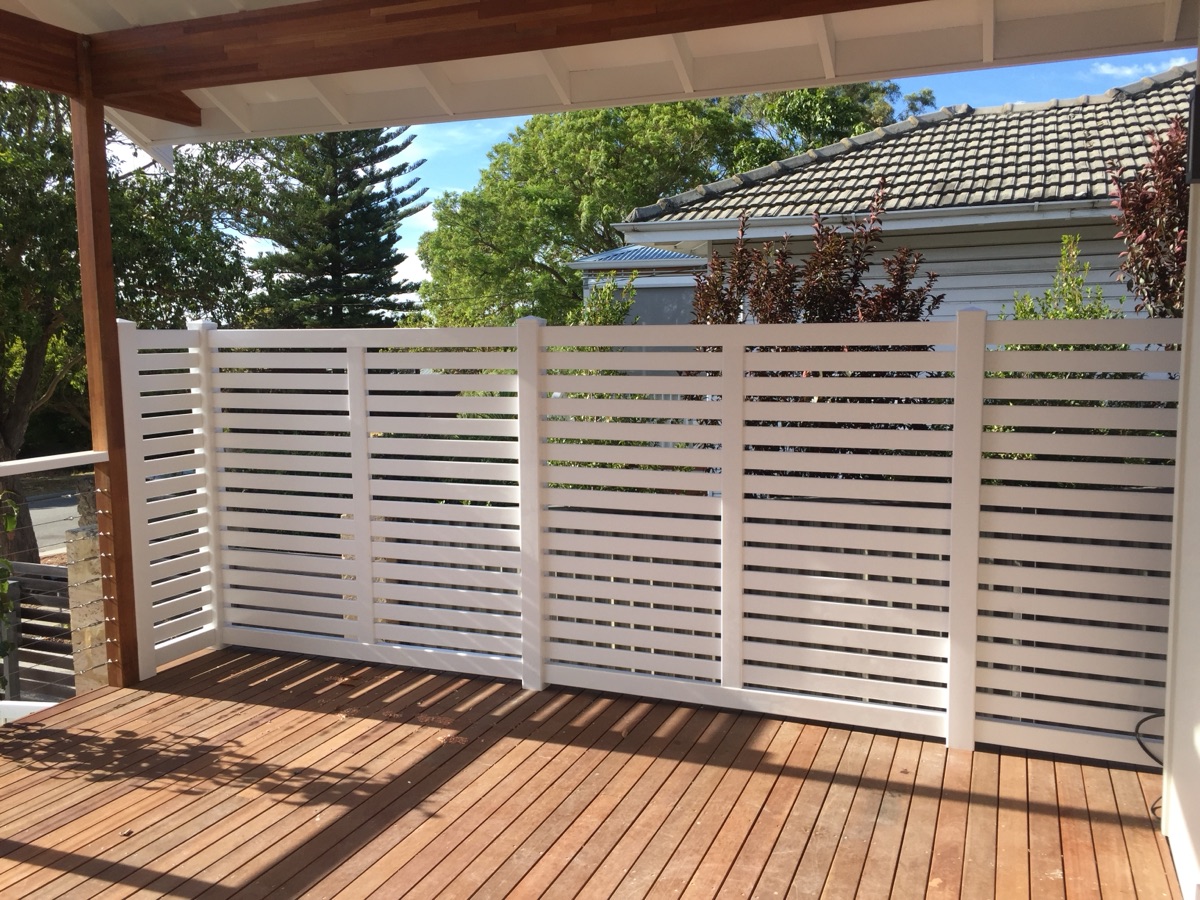
For a suburb like South Fremantle or North Fremantle where the sea breeze comes through daily, PVC is a practical choice that won't need replacing or recoating down the track.
What This Means for PVC Fencing in Fremantle
Here's a quick summary of how the rules above translate to actual product choices for Fremantle properties:
Front fences (standard areas):
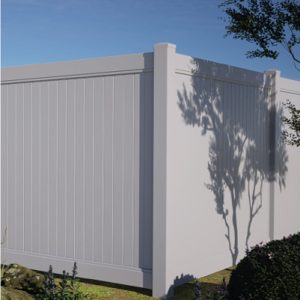
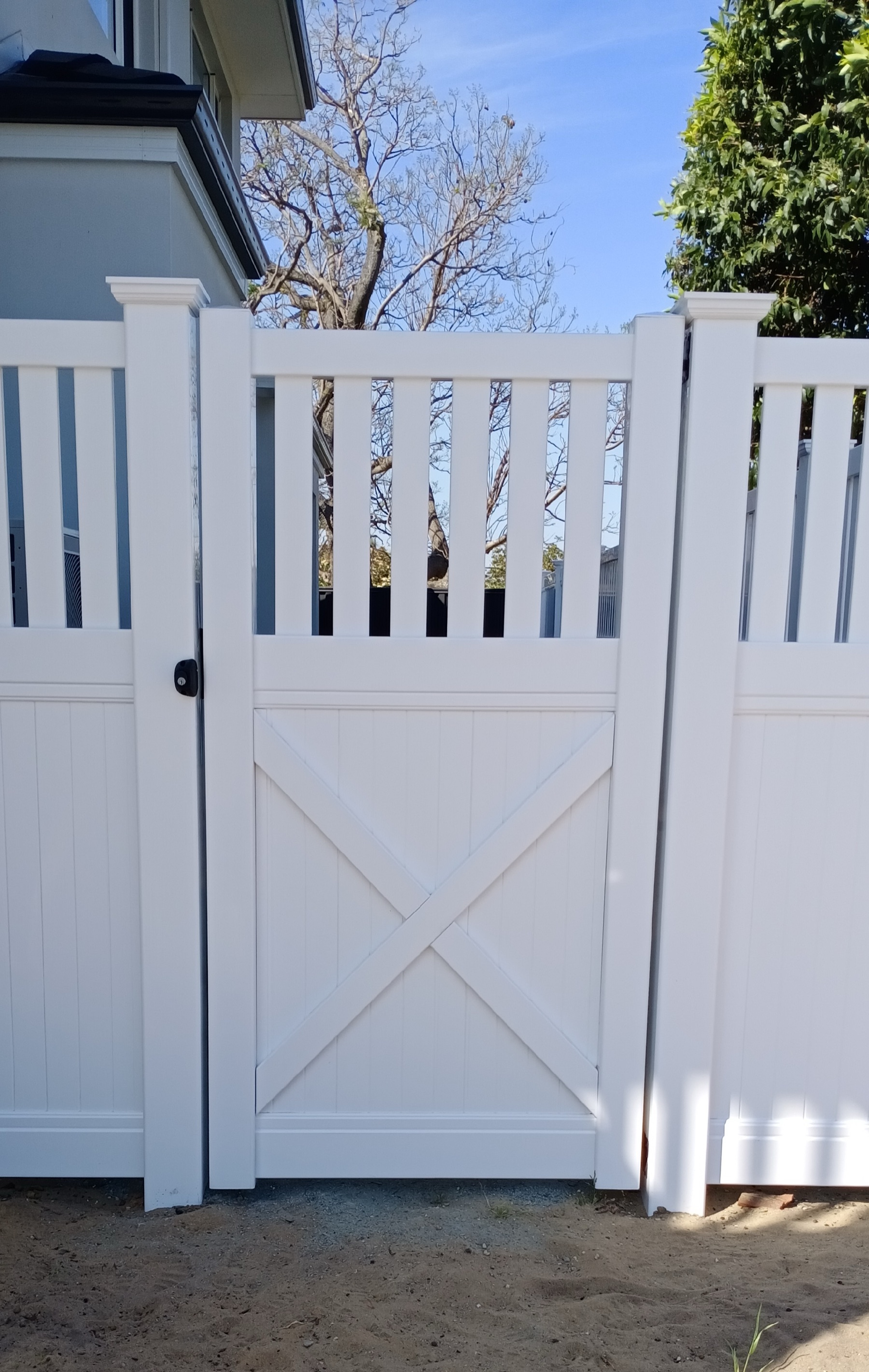
PVC privacy fencing works up to 1.2 metres. Above that, PVC picket or semi-privacy fencing meets the visual permeability requirements and can take the fence to the full 1.8 metres. The combination of a solid base with picket above is a clean look that complies.
Front fences (heritage areas):
The solid limit drops to 1.0 metre, so PVC picket fencing is the natural choice. Federation, Colonial, and Hampton picket styles suit the character of Fremantle's older suburbs and meet the permeability rules.
Front fences (Hilton):
With only 300mm of solid base allowed and a minimum of 30% permeability above that, PVC picket is the way to go. Probuild's picket styles comfortably exceed the 30% permeability requirement. Maximum height is 1.2 metres (or 1.5 metres with council discretion at 50% permeability).
Side and rear fences:
PVC privacy fencing up to 1.8 metres – no DA needed, no building permit needed. This is where most residential PVC fencing goes in Fremantle.
Pool surrounds:
PVC is an accepted material for pool barriers. It meets the minimum 1.2 metre height requirement and handles pool chemicals (chlorine, salt) without corroding or staining the way metal fencing can.
For Probuild trade partners: If you are quoting a job in Fremantle and need to check product specifications against permeability requirements, give us a call. We can confirm which profiles meet the gap and surface area ratios for each zone.
Before You Quote – Checklist for Contractors
- Check if the property is heritage-listed. Use the City's interactive heritage map or call the planning team. If it is, you'll need a DA for any front fence work.
- Check which heritage area it's in. Standard heritage, Hilton, or West End – each has different rules.
- Measure for permeability. Know the gap widths and surface area ratios before you specify a product.
- Factor in the DA. If approval is needed, add $147 and processing time to the job. Let the customer know upfront.
- Check for retaining walls. Combined height rules apply. Retaining walls over 500mm need a building permit and structural engineer sign-off.
- Confirm with the council. If there's any doubt, call the Duty Planner on 1300 693 736 (Monday to Friday, 10am – 3:30pm). It takes five minutes and can save you a rejected application.
Before You Start – Checklist for Homeowners
- Work out if your property is heritage-listed by checking the City's heritage listings page or calling the planning team.
- Know your front fence limits — 1.2 metres solid in standard areas, 1.0 metre solid in heritage areas. In Hilton, the solid base is limited to 300mm with the rest permeable, up to 1.2 metres total.
- If you need a DA, the application fee is $147 and you can apply online at csp.fremantle.wa.gov.au.
- For side and rear fences, you can generally go up to 1.8 metres without any approval (non-masonry materials).
- Talk to your neighbours before you start, especially for boundary fences. Under the Dividing Fences Act, you generally share the cost equally for a "sufficient fence" – which in Fremantle is typically a 1.8 metre non-masonry fence.
- If you want an installer who knows the product, we can connect you with an experienced local contractor who works with PVC fencing regularly. Give us a call or organise an installer through the website.
Need a hand? If you're planning a fence in Fremantle and want to talk through your options, give us a call. We can help you work out what style and height suits your property, and if you need an installer, we'll connect you with someone who knows the product inside out.
Contact the City of Fremantle
| General enquiries | 1300 MY FREO (1300 693 736) |
| Planning | planning@fremantle.wa.gov.au |
| Building | building@fremantle.wa.gov.au |
| Duty Planner | Monday – Friday, 10am – 3:30pm, via 1300 693 736 |
| DA portal | csp.fremantle.wa.gov.au |
| Address | Walyalup Civic Centre, 151 High Street, Fremantle WA 6160 |
This guide is based on the City of Fremantle's Local Planning Policy 2.8 (Fences), the WA Residential Design Codes, and Fremantle's heritage planning policies as at March 2026. Council rules can change – always confirm with the City's planning team before you start work. Probuild PVC Fencing is not a planning authority and this is general guidance only.