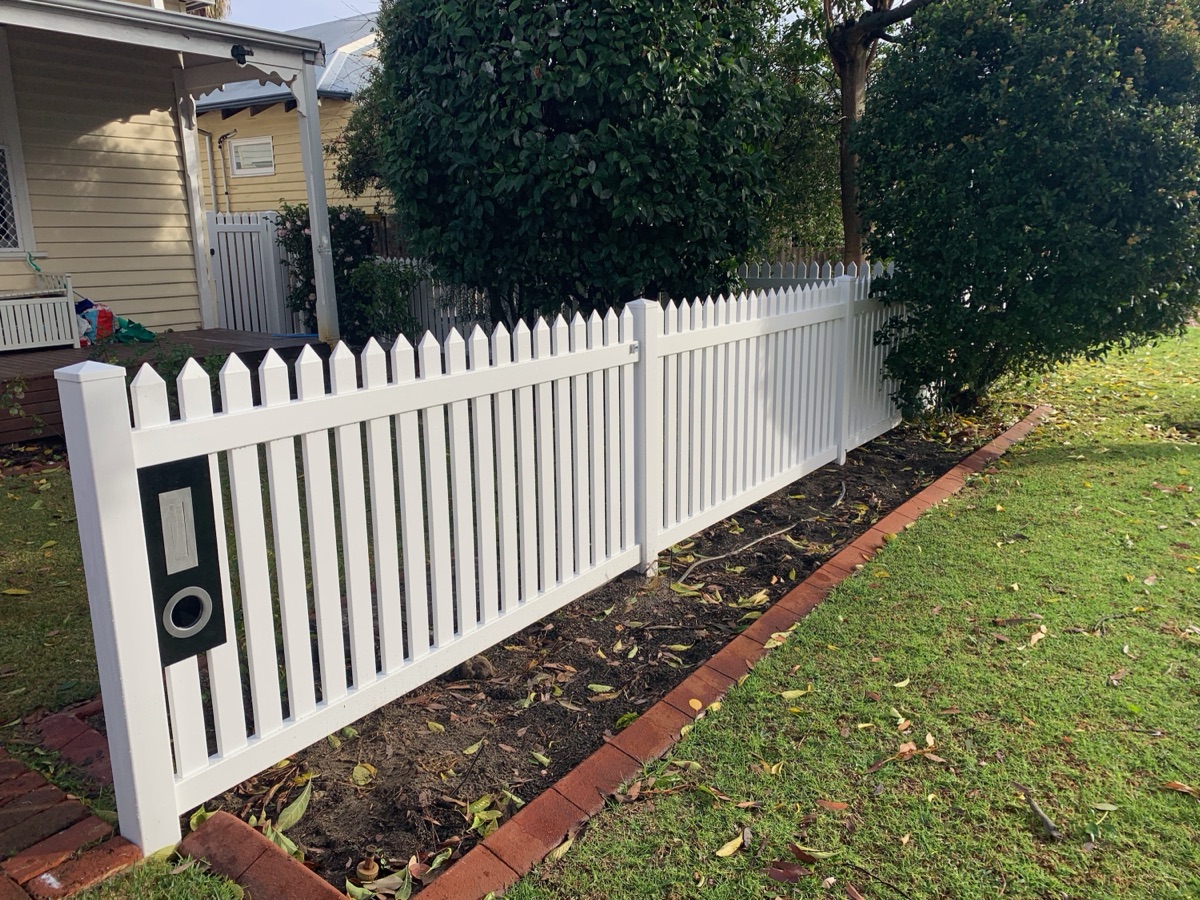
Property owners comparing fencing quotes often encounter two terms used interchangeably - PVC fencing and vinyl fencing. Some assume they describe different products. Others wonder if one is more suited to Australian conditions. The PVC vs vinyl fencing question has a straightforward answer: both terms describe the same material - polyvinyl chloride. What genuinely matters is whether that material uses virgin or recycled content.
PVC and Vinyl: The Same Material
The PVC vs vinyl fencing confusion stems from regional naming conventions, not material differences. PVC and vinyl are both terms for polyvinyl chloride - a synthetic polymer produced from ethylene and chlorine. Australian fencing suppliers predominantly use "PVC fencing." American markets more commonly say "vinyl fencing." The chemistry is identical.
This naming inconsistency sometimes gets exploited in marketing. Some suppliers suggest their "vinyl" product differs from competitors' "PVC" alternatives. It doesn't. The PVC vs vinyl fencing debate resolves at the label - the real question is what's behind it.
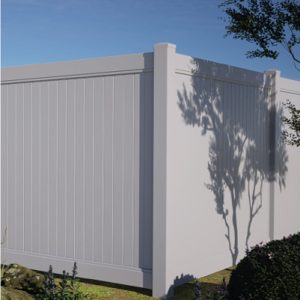
We manufacture PVC privacy screens and a full product range using quality virgin vinyl. When we say PVC fencing, we mean the correct material, manufactured correctly - not a lower-grade recycled product sold under a different name.
What Virgin Vinyl Actually Is
Virgin PVC resin is produced from pure chemical feedstocks converted into polymer chains through controlled manufacturing processes. The result is a consistent molecular structure with uniform chain length and composition. This uniformity is the foundation of long-term performance.
Recycled PVC content comes from recovered plastic waste - consumer products, industrial offcuts, and manufacturing scraps. This material undergoes reprocessing but carries contaminants and molecular degradation from its previous life. Polymer chains break down further with each thermal processing cycle. The result is inconsistent properties and reduced service life.
The PVC vs vinyl fencing distinction matters most here. Regardless of what a product is called, the key question is always virgin or recycled content. We manufacture using virgin resin exclusively, and this is what supports our 30-year limited warranty.
Virgin Vinyl for Horse Properties
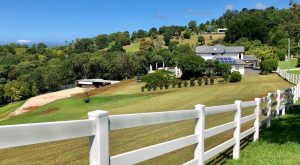
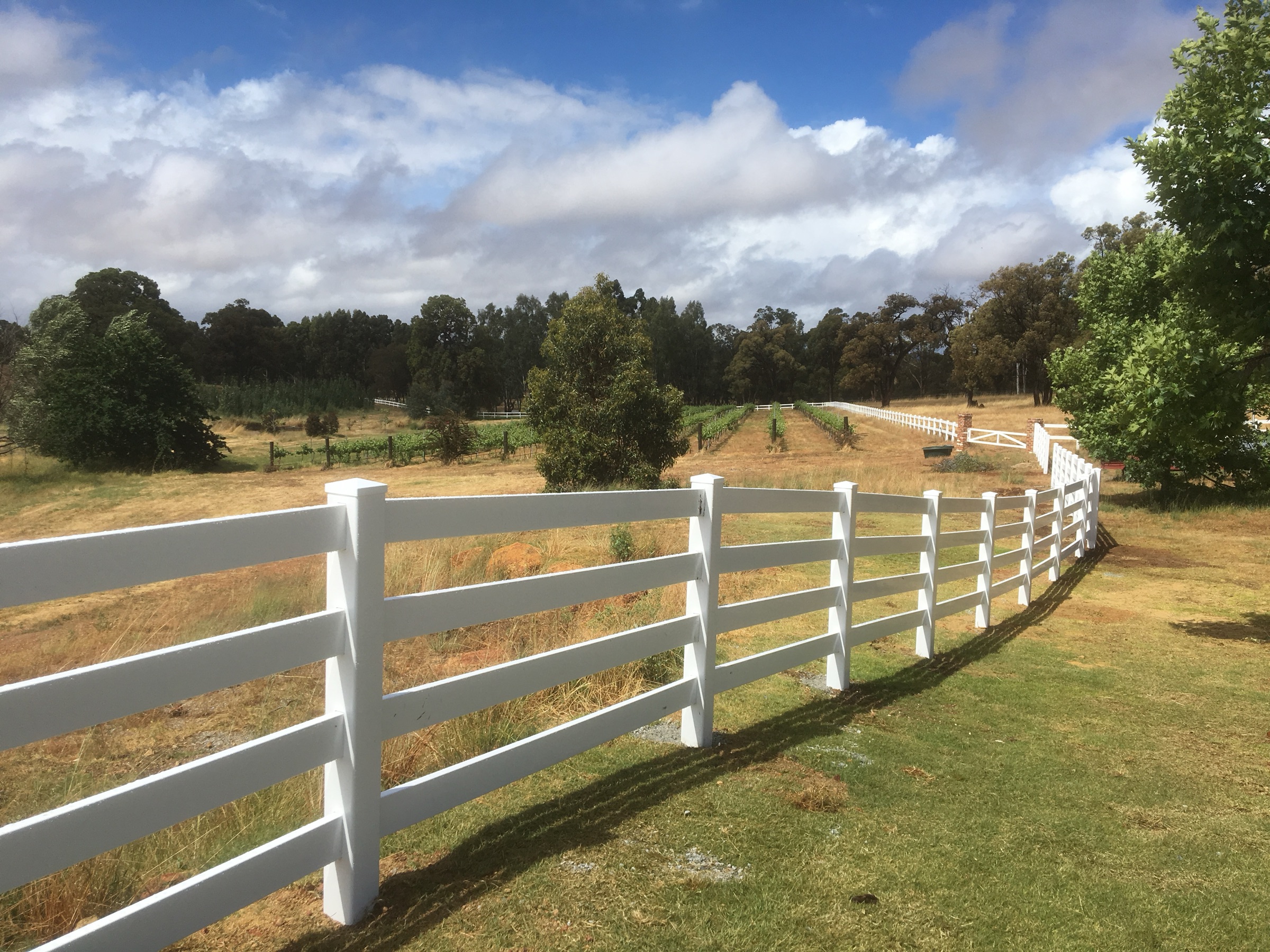
Virgin vinyl horse fencing is one of the most demanding applications for PVC systems. Horses test fence lines with their body weight, leaning and pushing against rails continuously. Timber creates splinters and breaks under repeated impact. Wire creates entanglement and cut hazards. Virgin vinyl horse fencing addresses both risks effectively.
Virgin vinyl horse fencing flexes under impact rather than shattering, and never creates splinters or sharp edges. The smooth rail surface is safe for horses to rub against without mane or tail entanglement. No chemical treatments are used in our PVC formulation, eliminating any ingestion risk when animals chew on rails.
Our post and rail systems are available in two-rail, three-rail, cross-rail, and four-rail configurations. Virgin vinyl horse fencing combines visibility across paddocks with safe, durable boundary definition. For horse properties across WA, it is the zero-maintenance alternative to timber post and rail that splinters, rots, and requires constant upkeep.
Why Recycled Content Compromises Performance
When evaluating PVC vs vinyl fencing products, the recycled content question has direct performance implications. Virgin material's consistent molecular structure produces predictable properties. Recycled content introduces variability at every level.
Colour consistency suffers with recycled content. Contaminants from previous applications introduce unwanted colouring. Multiple processing cycles oxidise material components, creating yellowing or browning over time. White fencing can shift noticeably within a few years of installation.
Impact strength decreases with recycled content, particularly in cold temperatures. Shorter, more irregular polymer chains absorb less energy before fracturing. In WA's winter conditions, recycled content products can become brittle - a problem virgin vinyl horse fencing and quality residential fencing never encounters when properly manufactured.
Property owners choosing virgin vinyl horse fencing should verify that products are genuinely made from virgin content. A recycled-content product marketed as "PVC horse fencing" won't deliver the flex-without-shatter performance that makes virgin vinyl horse fencing safe for livestock.
Colour Stability and Aesthetic Performance
The PVC vs vinyl fencing question often comes down to appearance over time. Property owners want fencing that looks the same in year 15 as it did on installation day. Virgin PVC achieves this through UV stabilisers integrated throughout the material.
White remains the most popular colour, and properly formulated virgin PVC holds its finish without yellowing. The non-porous surface prevents dirt adhesion and staining. A garden hose rinse restores original appearance after seasonal dust accumulation.
Our classic picket fencing styles demonstrate where colour stability matters most. Picket fencing is highly visible from the street. A fence that yellows or greys within a few years undermines the whole investment.
Our brick infill styles bring together PVC panels and brick pillars for a premium fencing look. The PVC panels maintain their colour and finish without painting or protective treatment across decades of use.
UV Resistance in Virgin vs Recycled Formulations
UV stabilisers integrated throughout virgin vinyl provide protection at every depth of the material. As the outermost surface experiences weathering, material underneath maintains full UV protection. This permanent, depth-integrated protection cannot thin or wear away like a surface coating.
Recycled content material often contains depleted or inconsistent UV stabiliser levels. Early surface chalking and colour shift can appear within just a few years. Once surface degradation begins in recycled content, it accelerates as more surface area is exposed.
The PVC vs vinyl fencing comparison becomes straightforward on this point: a virgin vinyl product formulated for Australian UV conditions will outperform recycled content regardless of marketing claims. Explore our pool compliance fencing range to see UV stabilisation in application - pool areas are among the most UV-intense fencing environments on any property.
Manufacturing Quality and Consistency
As Probuild PVC Fencing, we are WA's only PVC fencing manufacturer. Every product we sell is made by us, in our Malaga factory, using custom machinery no other company in WA has. We have complete control over material selection, formulation, extrusion parameters, and quality verification at every production stage.
Recycled material production faces greater quality control challenges. Contamination variability creates inconsistent starting material. Unknown composition variations between waste sources make batch-to-batch consistency difficult to achieve.
Our manufacturing approach eliminates these variables entirely. Virgin resin, controlled processing, and consistent quality verification produce results we can back with a 30-year warranty. Our custom height fencing is produced to the same standard as every other product in our range.
Identifying Genuine Virgin Vinyl Products
The PVC vs vinyl fencing marketplace contains genuine virgin material products alongside lower-grade alternatives. Identifying quality requires looking past terminology to material commitments.
Manufacturers confident in their virgin content state it explicitly. Vague terms like "premium resin" or "architectural grade vinyl" don't confirm virgin content. Ask specifically whether the material uses virgin or recycled resin - a reputable manufacturer gives a direct answer.
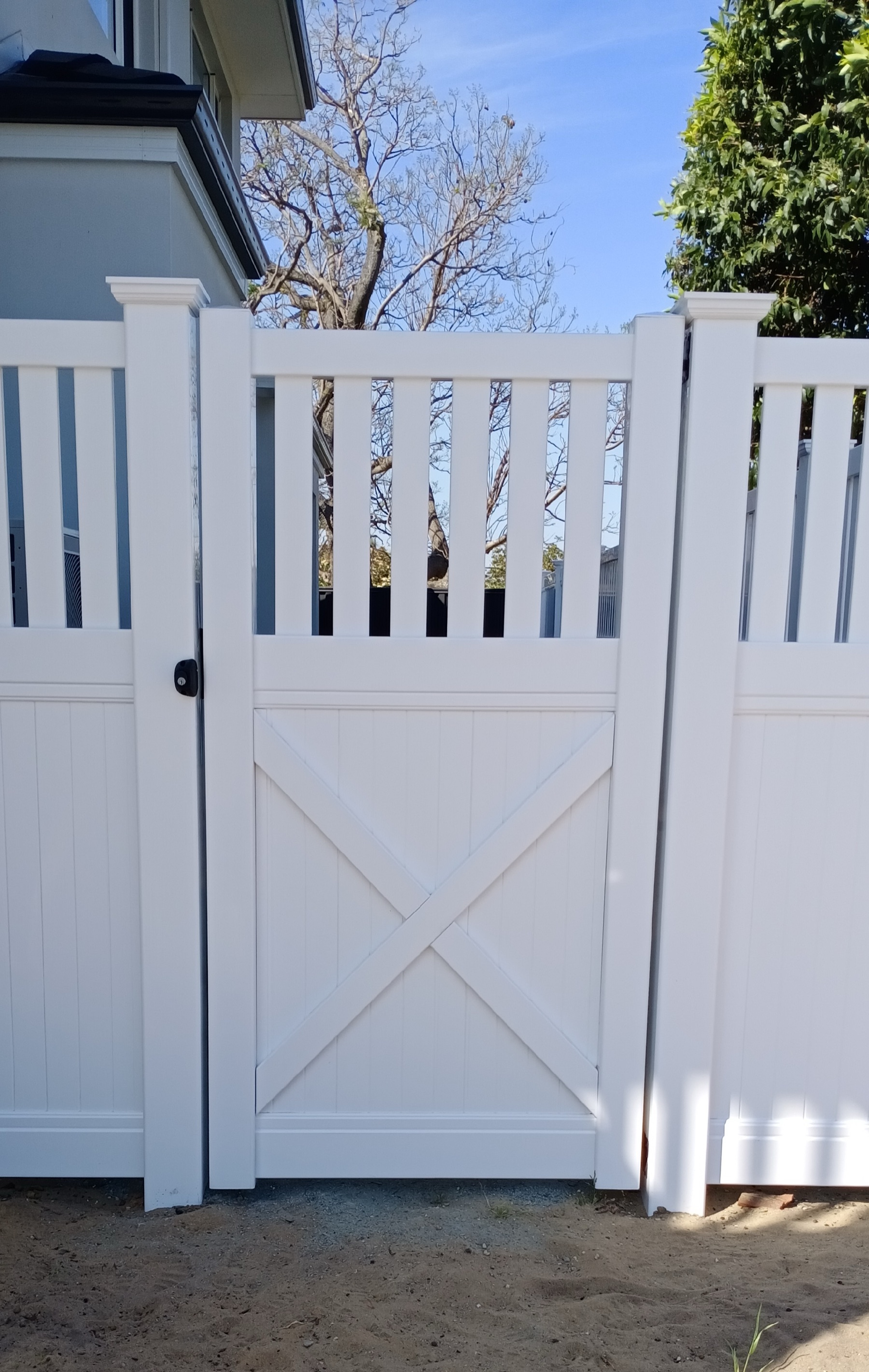
Warranty coverage reflects manufacturer confidence. A 30-year warranty with no maintenance requirements indicates genuine virgin material. Our residential PVC gates carry the same 30-year coverage as our fencing panels - the entire system is warranted because it's all made from the same quality virgin material.
Working with a Certified Installer
Material selection is the most important step, but installation quality matters too. Our WA installer network connects property owners with certified installers trained to our installation specifications.
A certified installer ensures post embedment, expansion accommodation, and gate hardware are all set up correctly. Proper installation protects your warranty and ensures the fencing performs as designed.
For detailed technical information about our materials and products, visit our PVC product specifications page before making your final decision.
Conclusion
The PVC vs vinyl fencing debate resolves quickly once terminology is understood. Both terms describe polyvinyl chloride - the same material. The meaningful distinction is always virgin versus recycled content. Virgin vinyl delivers consistent molecular structure, reliable impact strength, long-term colour stability, and UV resistance that supports 30-year warranty coverage.
We manufacture exclusively with virgin vinyl across our full product range - from residential picket fencing to commercial installations, from coastal privacy screening to virgin vinyl horse fencing for rural WA properties. Discuss Your Fencing Materials or call (08) 6276 8172 to talk through your property requirements.