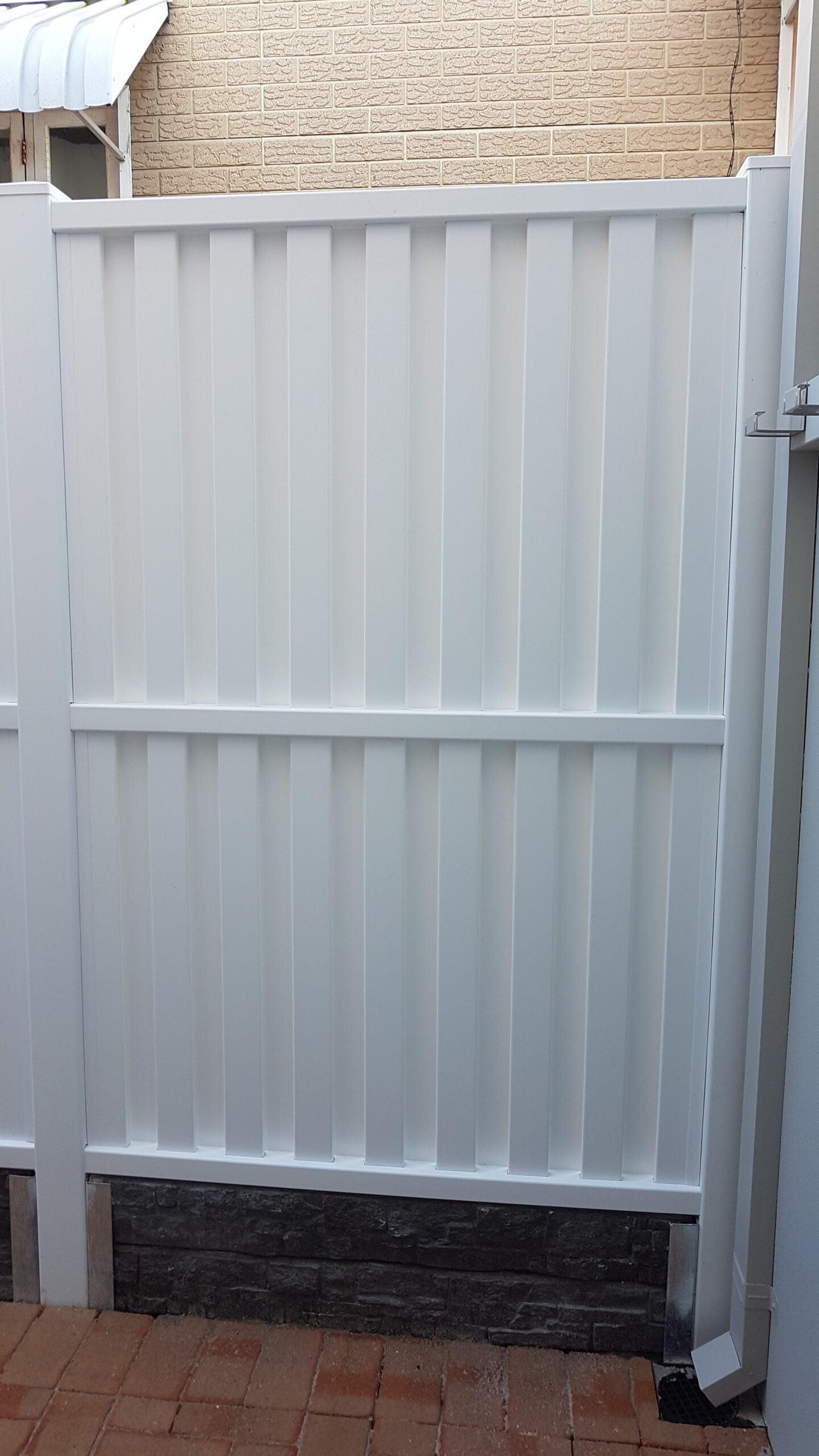
Selecting appropriate fencing for horse properties is one of the most critical decisions equestrian property owners face. This safe horse fencing guide examines the fundamental differences between PVC post and rail systems and traditional wooden alternatives, providing Western Australian property owners with evidence-based comparisons to inform their fencing investments.
We manufacture custom PVC fencing systems specifically designed for equestrian applications throughout Perth and regional WA. Our team understands the unique requirements of safe horse fencing installations across diverse property types, from small hobby farms to commercial breeding operations.
Understanding Horse Fencing Safety Requirements
Horse safety depends fundamentally on fencing that can withstand impact without causing injury. Traditional materials like barbed wire and rigid wooden posts have caused countless injuries over decades of use, prompting the development of safer alternatives that prioritise flexibility and visibility.
The safe horse fencing guide principles established by equestrian experts emphasise three critical factors: impact resistance, visibility, and absence of sharp edges or protruding fasteners. These requirements directly influence material selection for properties housing horses of any age or training level.
Wooden fencing has served rural properties for generations, yet inherent limitations become apparent when horses lean against, rub on, or impact fence lines during normal paddock behaviour. Splintering, sharp edges from broken rails, and rigid post structures create ongoing safety concerns that vinyl versus timber ranch barriers address through fundamentally different engineering approaches.
PVC Post and Rail Technology
Material Composition and Manufacturing
Virgin vinyl PVC construction delivers consistent performance across decades of use. Unlike recycled plastic products that may contain contaminants or inconsistent properties, high-grade PVC maintains structural integrity throughout the extreme temperature variations and UV exposure common to Western Australian conditions.
Our equestrian post rails are manufactured at our Malaga facility using state-of-the-art equipment found nowhere else in WA. This local manufacturing ensures quality control throughout production whilst supporting Australian jobs and reducing environmental impact associated with imported products.
The 30-year limited warranty reflects confidence in material longevity. Property owners eliminate concerns about premature failure or unexpected replacement costs that accompany lesser-quality alternatives.
Safety Features and Flexibility
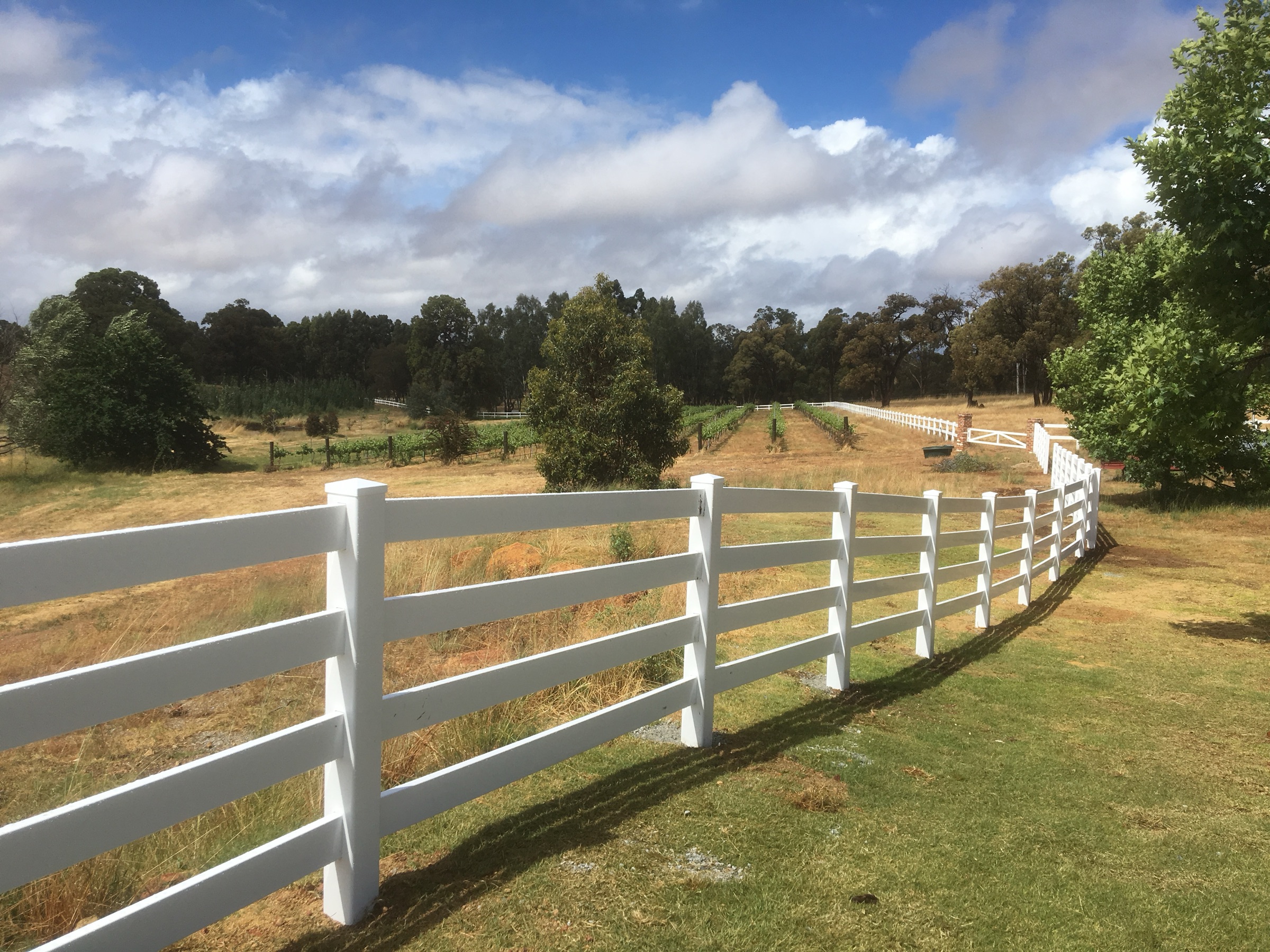
PVC is significantly more flexible than wooden rails, allowing the material to absorb impact and return to its original position. This crucial property prevents both fence damage and horse injury when animals lean against or impact the fence line during normal activities.
The smooth, continuous surface eliminates splinter risks entirely. Horses safely rub against rails without concern for sharp edges, protruding nails, or rough surfaces that characterise aged wooden installations. This safe horse fencing guide principle proves especially important for young horses prone to testing fence boundaries.
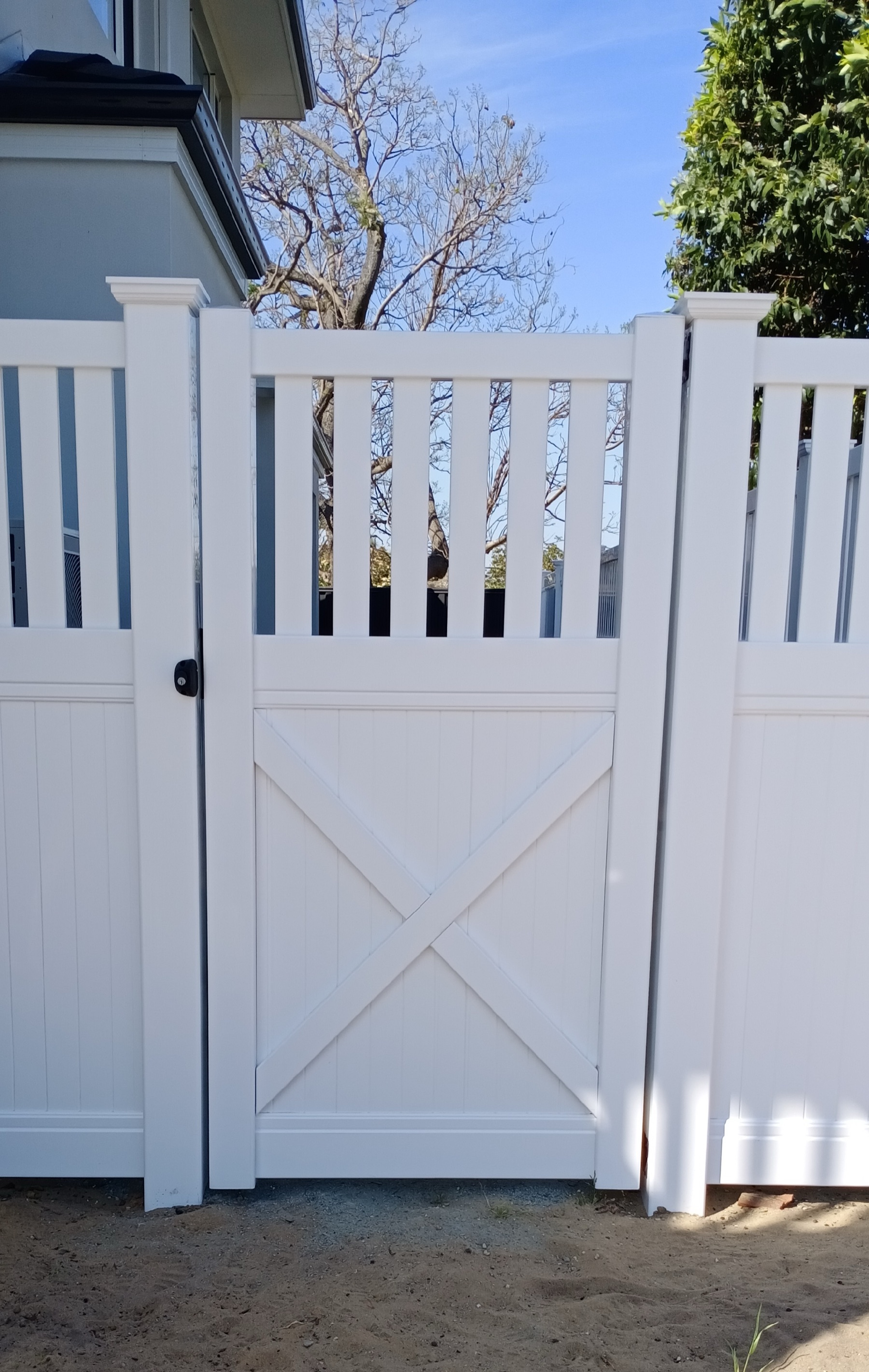
Our property access gates for equestrian properties use the same smooth-surface virgin vinyl, with self-latching mechanisms appropriate for properties housing horses. Gate safety receives the same engineering attention as fence panels.
Visibility represents another critical safety factor. White colouring - with almond available for rural applications - provides clear visual boundaries that horses recognise easily, reducing the likelihood of accidental fence impacts compared to wooden alternatives that may blend with shadows or vegetation.
Traditional Wooden Fencing Considerations
Common Wood Types and Treatment
Hardwood posts and treated pine rails comprise the most common wooden fence configurations. Treatment processes extend timber lifespan by preventing rot and insect damage, yet chemical treatments raise environmental and safety considerations for properties with grazing animals.
The vinyl versus timber ranch barriers comparison reveals fundamental differences in material behaviour. Timber absorbs moisture, expands and contracts with temperature changes, and gradually weakens through weathering processes that PVC systems avoid entirely.
Safety Limitations and Maintenance Demands
Splintering represents the primary safety concern with wooden fencing. As timber ages and weathers, surface fibres separate and create sharp projections capable of causing serious injuries. Regular inspection and replacement of deteriorating rails becomes necessary to maintain safe conditions.
Painting or staining requirements consume significant time and expense throughout a wooden fence's lifespan. Property owners require regular repainting to maintain appearance and protection, with costs accumulating substantially over decades of ownership.
Structural weakening occurs gradually as timber weathers. Posts may rot at ground level, rails may crack or split, and fasteners work loose through expansion and contraction cycles. For this safe horse fencing guide comparison, these maintenance demands make wooden alternatives less attractive for property owners seeking long-term, low-maintenance solutions.
Cost Comparison and Long-Term Value
Initial Investment
Material costs favour wooden fencing in initial purchase comparisons. Treated pine rails and posts typically cost less per linear metre than PVC alternatives, making timber attractive for budget-conscious projects focused solely on upfront expenses.
This safe horse fencing guide emphasises looking beyond initial costs to consider total ownership expenses. The vinyl versus timber ranch barriers financial analysis reveals dramatic differences when maintenance and replacement costs factor into 20-30 year comparisons.
Maintenance Costs Over Time
Wooden fencing requires regular painting or staining, with material and labour costs accumulating substantially over decades of ownership. These recurring costs often exceed the initial fence investment over a typical property lifespan.
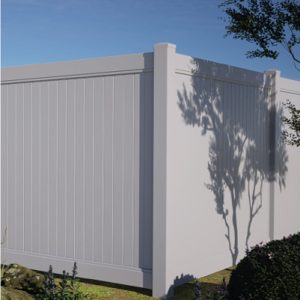
Our Hampton full privacy and post and rail PVC products eliminate painting, staining, and treatment requirements entirely. Occasional washing with water maintains appearance - the only maintenance needed throughout decades of use.
Replacement frequency differs substantially between materials. PVC systems routinely exceed 30 years without component replacement, backed by comprehensive warranty coverage. Wooden fencing requires periodic rail and post replacement as materials deteriorate.
Durability in Western Australian Conditions
Perth's climate presents challenges including intense UV exposure, temperature extremes, and occasional severe weather events. The vinyl versus timber ranch barriers durability comparison becomes especially apparent under WA's harsh summer conditions.
As Probuild PVC Fencing, we are the only PVC fencing manufacturer in WA. Every product we make is formulated for Australian conditions - not adapted from products designed for milder climates.
UV stabilisers incorporated throughout PVC composition prevent degradation from sun exposure. Unlike surface treatments that wear away, these stabilisers remain effective throughout the material's lifespan, maintaining both structural integrity and appearance.
Temperature tolerance proves critical for Western Australian installations. PVC maintains flexibility across extreme temperature ranges, whilst wooden rails may crack during heat or become brittle during cold. Moisture resistance distinguishes PVC fundamentally - timber absorbs water, leading to rot and structural weakening. PVC's non-porous surface prevents moisture absorption entirely.
Properties with both horse paddocks and swimming pools benefit from our compliant pool barriers using the same virgin vinyl - consistent safety and performance standards throughout the entire property.
Our suburban picket fencing and other residential products use the same UV-stabilised virgin vinyl as our post and rail systems. The durability advantages extend across every product in our range regardless of style or application.
Making the Right Choice for Your Property
Property owners should evaluate several factors when selecting between PVC and wooden fencing systems. This safe horse fencing guide recommends considering horse numbers, property size, available budget, and long-term ownership plans when determining the optimal material choice.
This safe horse fencing guide comparison ultimately favours PVC for any property where animal safety and long-term economics are priorities.
Our custom fence options cover the full range of equestrian configurations - from standard two-rail hobby farm boundaries to multi-rail breeding facility systems in custom heights. The vinyl versus timber ranch barriers evaluation consistently favours PVC when property owners consider the complete picture: material safety, maintenance requirements, and total ownership costs.
Our equestrian fence specialists are trained to advise on the right configuration for your specific property, horses, and budget.
Visit our equestrian project gallery to see PVC post and rail installations across WA horse properties.
Conclusion
This safe horse fencing guide provides Western Australian property owners with an evidence-based foundation for choosing between PVC and wooden fencing. The vinyl versus timber ranch barriers comparison consistently favours PVC for properties prioritising animal safety, long-term value, and maintenance-free operation.
Our PVC post and rail systems are manufactured in WA for WA conditions, backed by a 30-year limited warranty, and free of the splinters, rot, and maintenance demands that characterise timber alternatives. Discuss Your Horse Fencing or call (08) 6276 8172 to discuss your specific property requirements.