Fence-related injuries represent a persistent challenge for equestrian property owners throughout Western Australia. Understanding horse injury prevention fencing technology enables informed decisions that protect valuable animals whilst optimising long-term property economics. Modern shock absorbing barrier technology fundamentally changes injury risk profiles compared to traditional materials that have caused countless wounds over generations of use.
We specialise in impact-resistant fencing designed specifically to prevent the injuries common with traditional wooden and wire alternatives. Our manufacturing in Malaga, Western Australia, ensures rapid delivery of systems incorporating the latest material technology and safety engineering principles.
Understanding Fence-Related Horse Injuries
Lacerations comprise the most frequent fence-related injury category. Sharp edges from broken wooden rails, protruding nails, or wire strands create wounds requiring veterinary attention, suturing, and antibiotic treatment. These injuries occur during normal paddock activities when horses lean against, rub on, or accidentally impact fence lines.
Fractures represent the most serious injury category, typically resulting from high-speed collisions with rigid fence components. Wooden posts and rails lack the flexibility to absorb impact forces, concentrating energy at contact points and potentially causing bone breaks requiring surgical intervention and extended rehabilitation.
Financial costs extend beyond immediate veterinary expenses. Treatment for serious fence injuries can run into the thousands of dollars depending on injury severity and complications. Recovery periods interrupt training schedules, breeding plans, and competition campaigns, creating opportunity costs that compound direct medical expenses substantially.
Traditional Fencing Hazards and Injury Mechanisms
Rigid Material Impact Dynamics
Wooden fencing remains rigid until failure occurs. When horses impact wooden rails at speed, the material provides no cushioning effect, transferring collision energy directly to the animal. This force concentration creates the conditions causing fractures, particularly in leg bones where anatomy concentrates stress.
Physics principles explain why rigid materials prove hazardous. When an animal contacts an immovable object, deceleration occurs nearly instantaneously, generating significant forces at the contact point. Shock absorbing barrier technology addresses this fundamental problem through materials that extend deceleration time, reducing peak forces substantially.
Emergency veterinary intervention becomes necessary when rigid fence impacts cause serious injuries. These procedures prove expensive and traumatic for both horses and owners, making prevention through appropriate horse injury prevention fencing the logical approach.
Splinter and Sharp Edge Dangers
Wooden fence deterioration creates hazards throughout material lifespan. Fresh timber begins splintering within years as weathering opens grain patterns and moisture cycles cause surface checking. These splinters range from minor irritants to dangerous projections capable of causing deep puncture wounds or extensive lacerations.
Wire fencing presents even greater hazards than wooden alternatives. Barbed wire obviously causes injuries, but even smooth wire proves dangerous when horses become entangled or run into taut strands. The cutting action of thin wire under tension can cause severe wounds including tendon damage requiring extensive surgical repair.
Infection rates increase with fence-related wounds due to contamination at injury sites. Complications extend treatment duration and increase costs substantially compared to clean injuries from other causes.
Impact-Resistant Fencing Technology Explained
Flexibility and Force Distribution
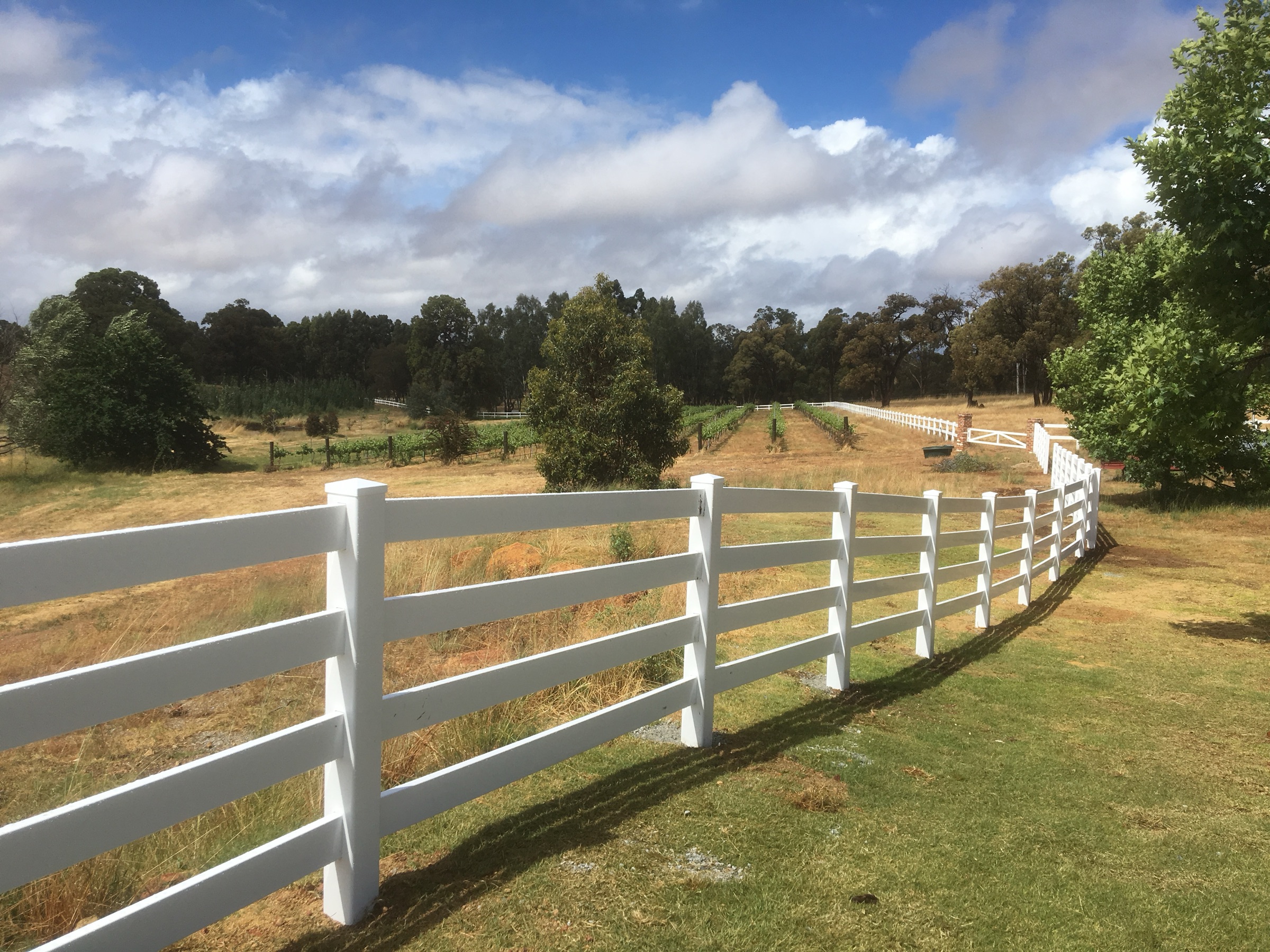
PVC fencing is significantly more flexible than wooden alternatives, fundamentally altering impact dynamics. When horses contact PVC fence systems, materials flex and absorb energy rather than transferring forces directly to animals. This flexibility extends deceleration time, reducing peak forces to levels that rarely cause serious injury.
Return-to-position characteristics ensure fences maintain proper configuration after impact events. Unlike wooden rails that may crack or permanently deform, PVC returns to original shape once force is removed, maintaining both safety and appearance throughout decades of use.
Energy dissipation through material flex represents the key safety advantage of horse injury prevention fencing using modern materials. Rather than concentrating impact energy at contact points, flexible systems distribute forces across larger surface areas and longer time periods. This dramatically reduces injury likelihood during typical fence contact incidents.
Material Testing and Performance
Virgin vinyl PVC demonstrates consistent performance characteristics throughout wide temperature variations. Properly formulated PVC maintains flexibility and strength from winter cold to summer extremes, ensuring reliable shock absorbing barrier technology performance regardless of seasonal conditions.
Our 30-year warranty on PVC fencing documents expected lifespan whilst providing financial protection. This assurance proves especially valuable for commercial operations where fence reliability directly impacts business operations and animal welfare obligations.
Shock Absorbing Barrier Technology Benefits
Injury Prevention Through Material Properties
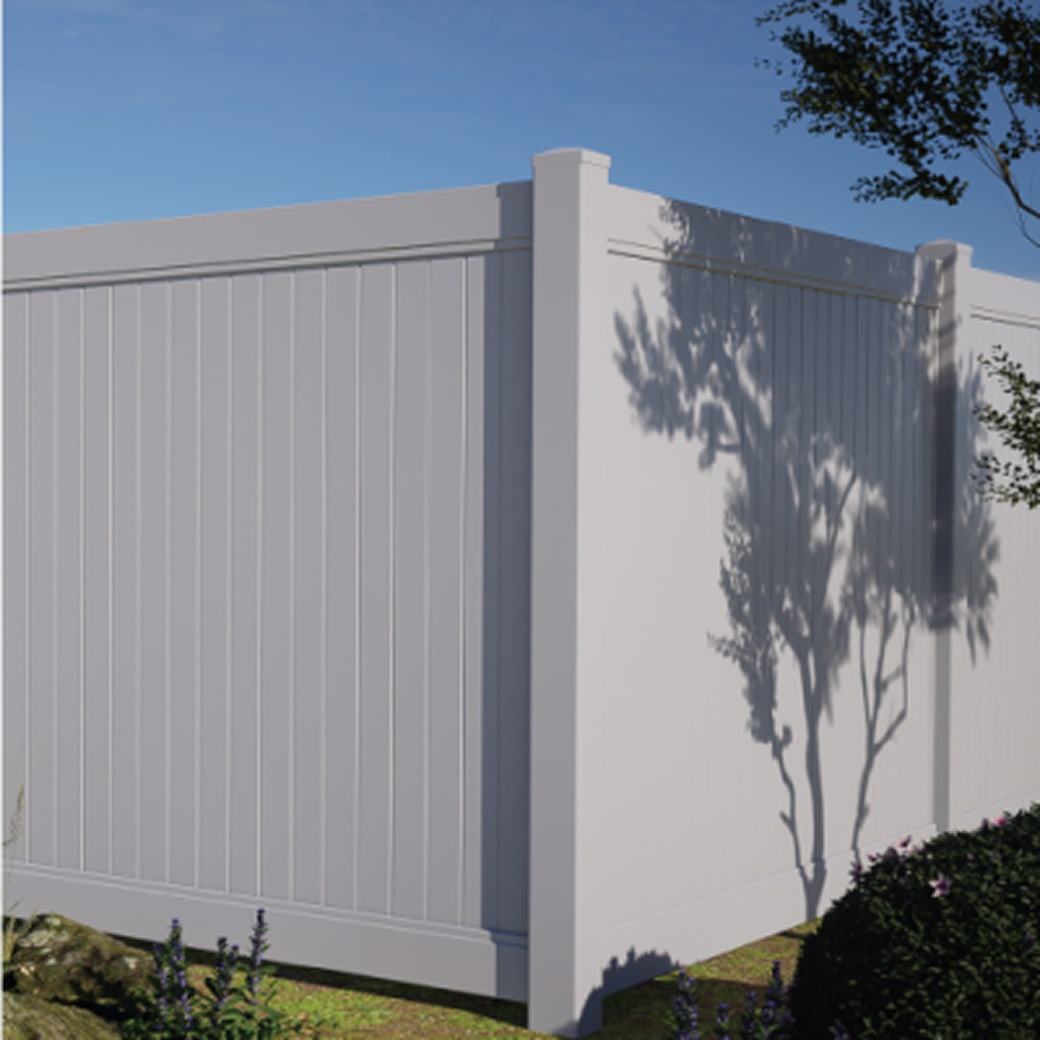
Smooth, continuous surfaces eliminate the splinter and sharp edge hazards characterising traditional materials. Horses safely rub against PVC fence lines without risk of cuts or puncture wounds, whilst impacts that might cause serious injuries with wooden fencing result in minor contact events at worst.
Flexibility prevents fractures through the impact dynamics previously explained. The shock absorbing barrier technology in modern PVC systems extends deceleration times, keeping peak forces below thresholds causing bone breaks. This fundamental safety advantage makes PVC the logical choice for properties prioritising animal welfare.
Visibility contributes to injury prevention beyond physical material properties. White or almond PVC colouring provides clear visual boundaries horses recognise and respect, reducing accidental fence contacts compared to darker wooden alternatives that may blend with shadows or backgrounds.
Evidence from Professional Facilities
Professional breeding operations and training facilities that have transitioned from timber to PVC consistently report reductions in fence-related veterinary incidents. The elimination of splinters, sharp edges, and rigid impact points removes the primary injury mechanisms that characterise wooden fencing.
As Probuild PVC Fencing, we are the only PVC fencing manufacturer in WA. Our horse injury prevention fencing is used by professional equestrian operations throughout Perth and regional WA.
Our equestrian PVC fencing combines shock absorbing barrier technology, smooth surfaces, and zero maintenance to support both animal welfare and operational efficiency.
Insurance implications extend beyond injury prevention. Demonstrating investment in recognised safety materials provides evidence of reasonable care when managing valuable animals. Horse injury prevention fencing represents both a welfare commitment and sound risk management.
Financial Analysis of Injury Prevention
Direct Veterinary Cost Implications
A single fence-related laceration requiring suturing and antibiotic treatment represents a meaningful veterinary expense. Fractures requiring surgical intervention are far more costly, and both types of injury are largely preventable through appropriate fencing choices.
Recovery periods create additional costs beyond direct veterinary treatment. Serious injuries may require ongoing veterinary oversight for weeks or months, with total costs accumulating substantially. Prevention through shock absorbing barrier technology proves more economical than treating injuries after they occur.
Our safe boundary panels and post and rail systems eliminate the injury mechanisms responsible for the majority of fence-related veterinary costs on horse properties.
Our WA picket range for residential areas and entrances uses the same smooth-surface virgin vinyl as our equestrian range, maintaining consistent safety standards across every part of the property.
Indirect Costs and Opportunity Losses
Training interruptions cost professional operations through lost preparation time and missed competition opportunities. A horse requiring extended recovery loses valuable training progression, potentially affecting performance levels for months after physical healing completes.
Breeding schedule disruptions create substantial financial consequences for commercial operations. Prevention through shock absorbing barrier technology proves dramatically more economical than accepting these risks as normal operational costs.
Property value considerations influence real estate transactions involving equestrian facilities. Buyers increasingly recognise modern fencing as adding value. Investment in horse injury prevention fencing protects property values whilst delivering immediate operational benefits.
Selecting Appropriate Barrier Technology
Property Assessment and Risk Evaluation
Horse numbers and types influence fencing specifications. Properties housing multiple young horses face greater injury risks than facilities containing only mature, settled animals. This risk profile informs material selection, with higher-risk environments justifying investment in shock absorbing barrier technology providing maximum injury prevention.
Property use patterns affect fence contact frequency. Training facilities where horses exercise vigorously experience more fence interactions than pasture-only properties, demonstrating the value of impact-resistant alternatives that maintain safety despite regular contact.
Our custom safety fencing configurations allow property-specific specifications - custom heights, rail spacing, and configurations matched to the actual horse population and use patterns of each property.
Installation and Consultation Process
Professional installation ensures systems meet safety specifications throughout. Our safety fencing specialists conduct site evaluations identifying challenging areas requiring special attention, whilst experienced installation teams prevent common errors that might compromise safety performance.
For planning information on horse injury prevention fencing options, our injury prevention guides provide material specifications, configuration options, and design considerations relevant to equestrian applications.
Our compliant pool solutions for properties with swimming pools use the same smooth-surface virgin vinyl as our equestrian range, meeting AS 1926 compliance requirements with the same zero-maintenance advantage.
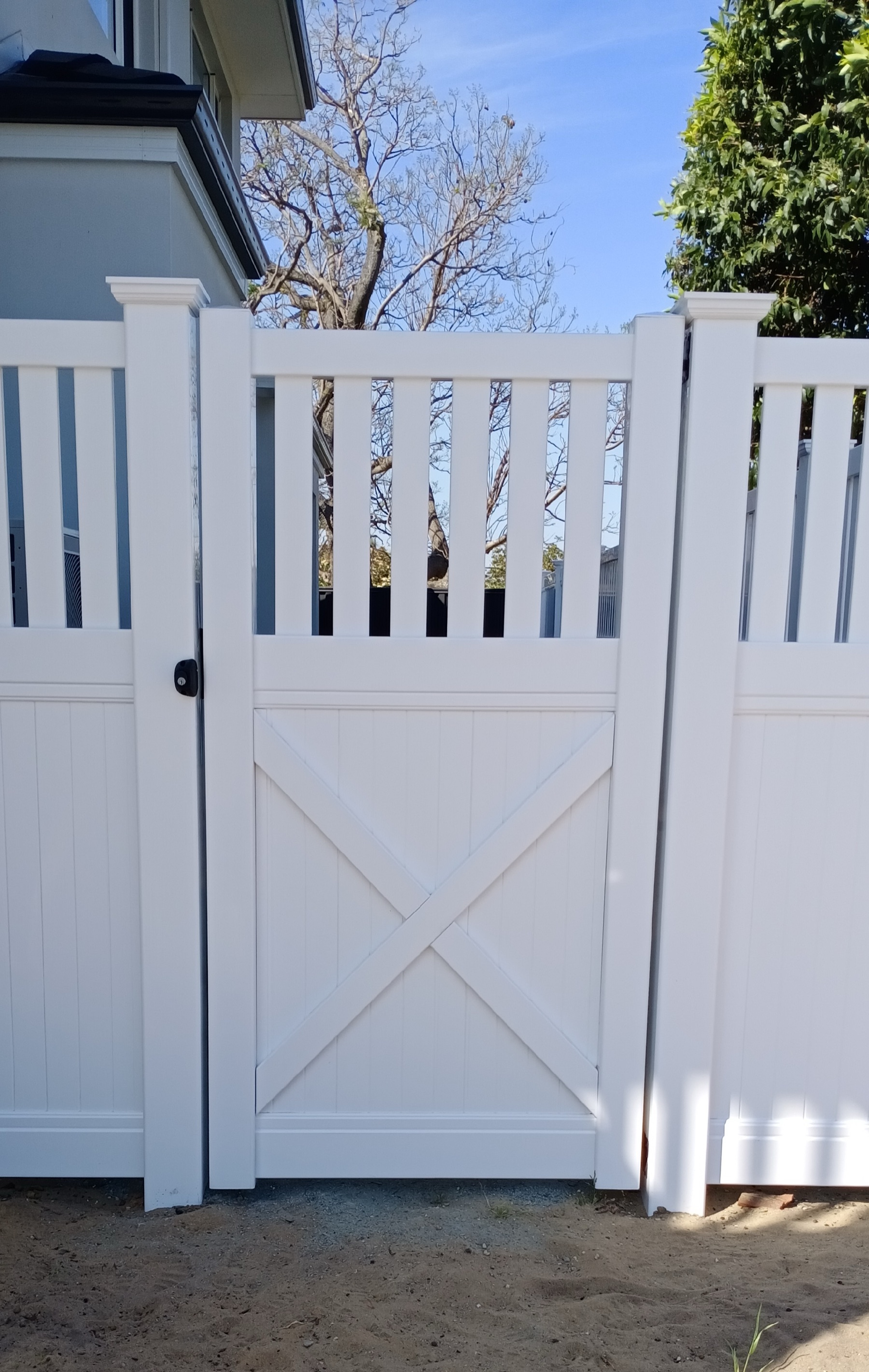
Our PVC entry gates for equestrian properties include self-latching mechanisms appropriate for horse management, with the same impact-resistant smooth-surface construction as the fence panels they connect.
Conclusion
Horse injury prevention fencing using modern shock absorbing barrier technology eliminates the primary mechanisms responsible for fence-related injuries. Flexibility, smooth surfaces, and absence of sharp edges or splinters create paddock environments where horses interact with boundaries safely during normal behaviour.
We manufacture horse injury prevention fencing at our Malaga factory using 100% virgin vinyl, backed by a 30-year limited warranty. Protect Your Horse Property or call (08) 6276 8172 to arrange a site assessment and discuss impact-resistant fencing options for your property.